Learn everything you need to know about a Tanzania safari, from the best national parks and wildlife to the ideal time to visit, safari types, accommodation options, travel tips, and what to expect on your unforgettable African adventure.
Back
Tanzania Safari Types
Explore the different types of Tanzania safaris to find the perfect adventure for your travel style. Learn about luxury safaris, budget camping safaris, family holidays, honeymoon escapes, photographic safaris, walking safaris, fly-in safaris, and private tailor-made experiences across Tanzania's breathtaking wilderness.
Back
Tanzania Safari Planning Guide
Plan your perfect Tanzania safari with expert travel advice and practical planning guides. Learn about the best time to visit, choosing the right itinerary, budgeting, accommodation options, park fees, transportation, visas, health tips, and everything you need for a smooth and unforgettable safari experience.
Back
Tanzania Safari Packages
Explore our Tanzania safari packages designed to showcase the best of Africa's wildlife, landscapes, and cultures. Discover carefully planned safari itineraries, from classic Northern Circuit adventures to private, luxury, family, and budget-friendly experiences covering Serengeti, Ngorongoro Crater, Tarangire, and other iconic destinations.
Back
Tanzania Safari Top Destinations
Explore Tanzania's top safari destinations, from the endless plains of the Serengeti and the wildlife-rich Ngorongoro Crater to Tarangire, Lake Manyara, Ruaha, Nyerere National Park, and beyond. Discover what makes each destination unique, the best time to visit, and the unforgettable experiences waiting in every corner of Tanzania.
Back
Tanzania Safari Experiences
Discover the unforgettable Tanzania safari experiences that bring Africa's wilderness to life. Learn about game drives, the Great Migration, hot air balloon safaris, walking safaris, cultural visits, birdwatching, chimpanzee trekking, night game drives, and other unique adventures that make every safari truly memorable.
Back
Tanzania National Parks
Discover Tanzania's national parks, home to some of Africa's most spectacular wildlife and landscapes. Learn about iconic parks such as Serengeti, Ngorongoro, Tarangire, Lake Manyara, Arusha, Ruaha, Nyerere, Katavi, and more, including their unique attractions, wildlife, and the best times to visit.
Back
Tanzania Safari Packing List
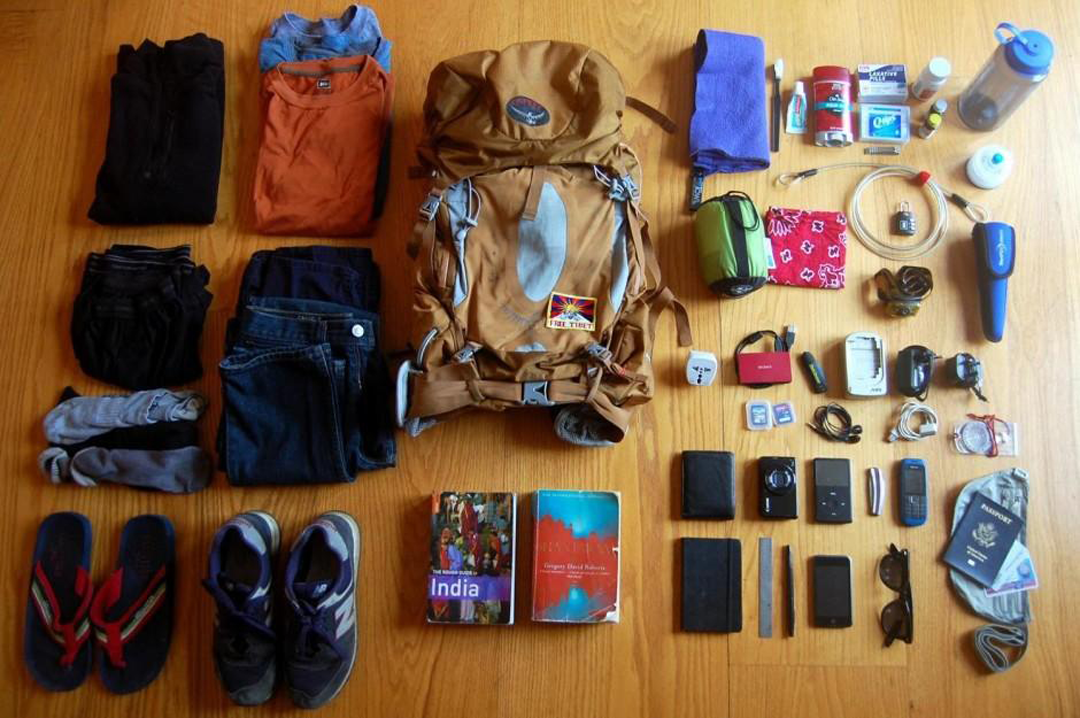
Prepare for your adventure with our Tanzania Safari Packing List, featuring essential clothing, travel gear, health items, photography equipment, and practical packing tips. Learn what to bring for every season to stay comfortable, safe, and ready for an unforgettable wildlife safari.
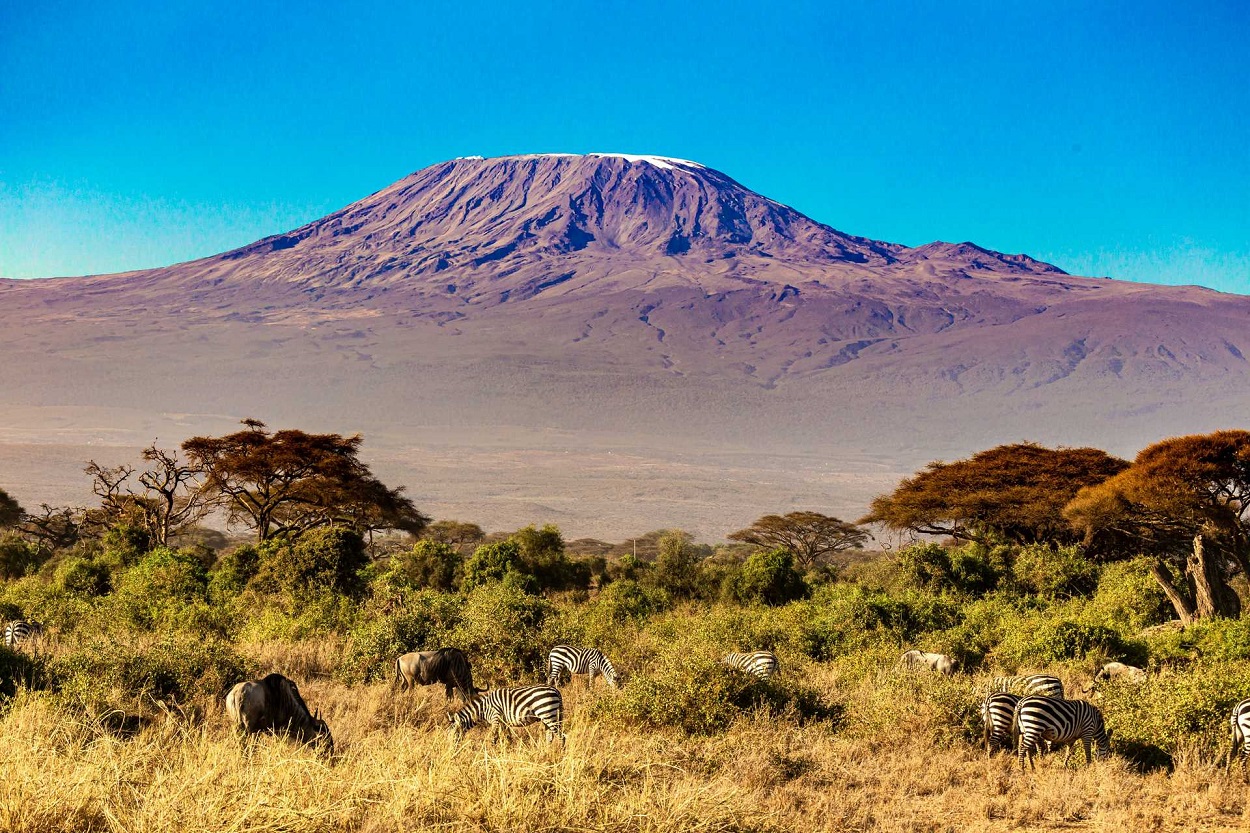
Discover everything you need to know about Mount Kilimanjaro, Africa's highest peak and one of the world's most iconic trekking destinations. Explore climbing routes, success tips, altitude information, best times to climb, packing advice, and expert insights to help you prepare for an unforgettable summit adventure.
Back
Mount Meru
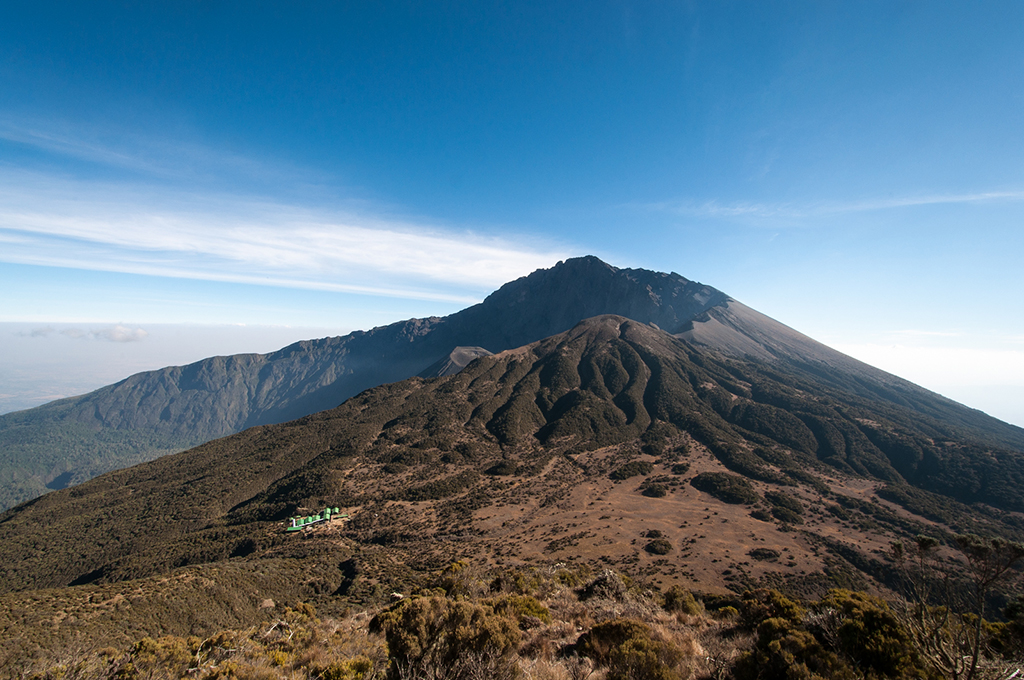
Explore Mount Meru, Tanzania's second-highest mountain and one of Africa's most rewarding trekking destinations. Learn about climbing routes, wildlife encounters, park regulations, best times to hike, and expert tips for planning an unforgettable adventure in Arusha National Park.
Back
Mount Oldonyo Lengai
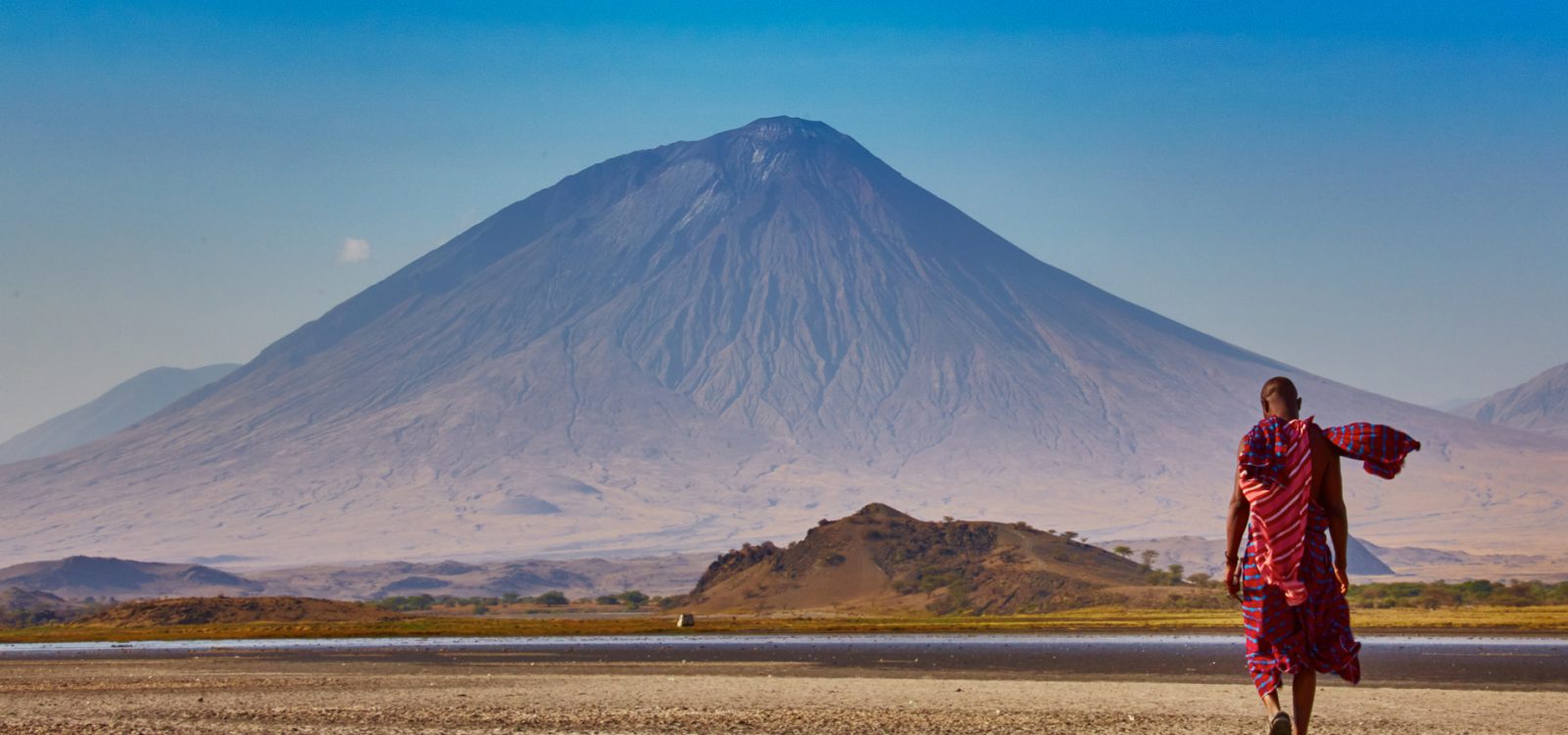
Discover Ol Doinyo Lengai, the legendary "Mountain of God" and the world's only active volcano that erupts carbonatite lava. Learn about the challenging climb, volcanic landscape, Maasai cultural significance, the best time to visit, and what to expect on this extraordinary adventure in northern Tanzania.
Back
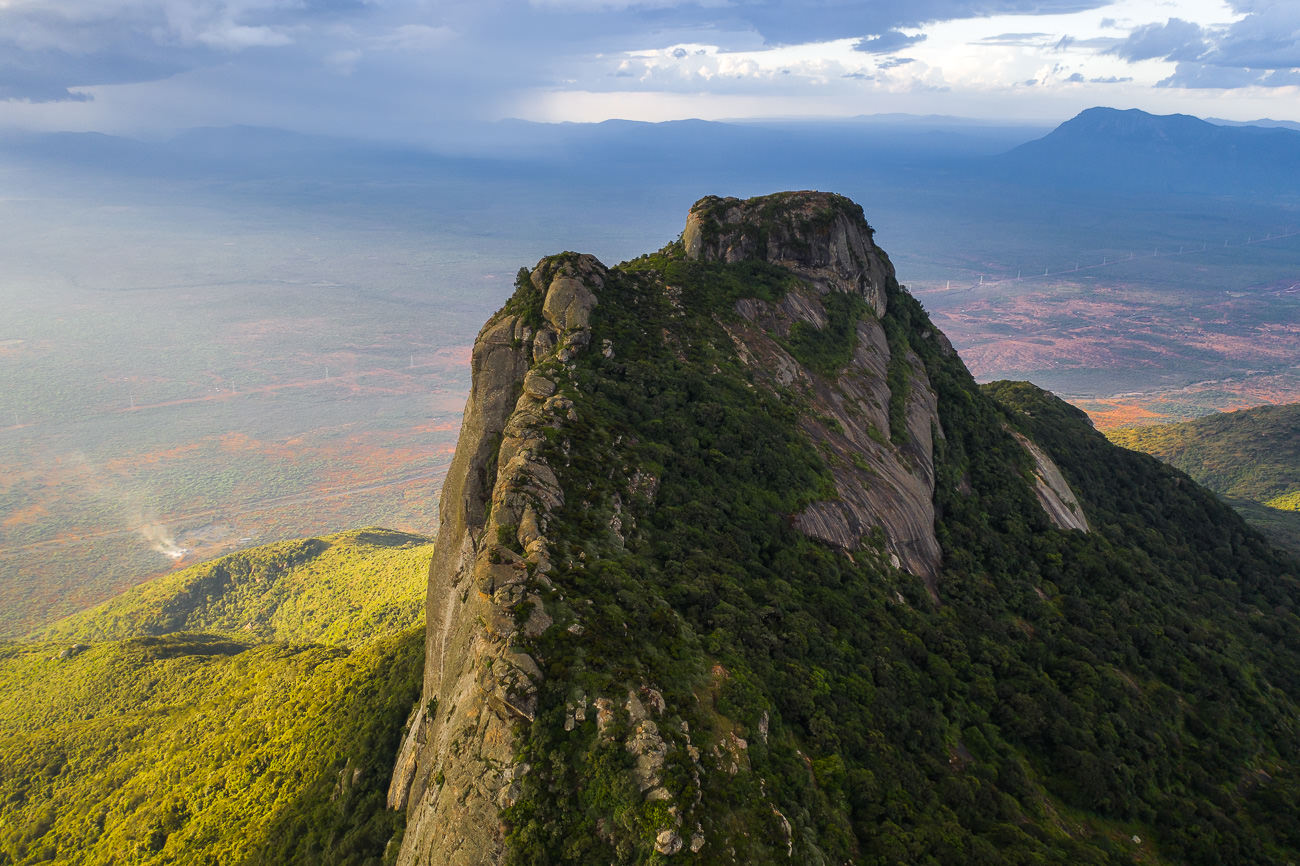
Mount Hanang
Explore Mount Hanang, Tanzania's fourth-highest mountain and a spectacular off-the-beaten-path trekking destination. Learn about the hiking routes, breathtaking summit views, unique landscapes, local Barabaig culture, wildlife, best time to climb, and everything you need to know for an unforgettable mountain adventure in northern Tanzania.
Back
Mount Longido
Discover Mount Longido, a hidden trekking gem in northern Tanzania offering scenic forest trails, panoramic views of Mount Kilimanjaro and the surrounding plains, abundant birdlife, and authentic Maasai cultural experiences. Learn about the hiking route, best time to visit, and what to expect on this rewarding off-the-beaten-path adventure.
Back
Usambara Mountains
Discover the Usambara Mountains, one of Tanzania's most beautiful highland regions known for lush forests, scenic hiking trails, charming villages, rich biodiversity, and breathtaking viewpoints. Learn about trekking routes, cultural experiences, birdwatching, historical sites, the best time to visit, and how to explore this peaceful mountain paradise in northern Tanzania.
Back
Kilimanjaro Climbing
Challenge yourself to reach the Roof of Africa with our expertly guided Mount Kilimanjaro climbing adventures. Explore the best routes, flexible itineraries, and carefully planned expeditions designed to maximize your summit success while ensuring your safety and comfort every step of the way.
Back
Kilimanjaro Group Join Climbing
Join a small group of fellow adventurers and climb Mount Kilimanjaro together. Our group join climbs offer an affordable and social way to experience Africa’s highest mountain, with experienced guides, carefully planned routes, and a strong focus on safety and success.
Discover the best of Tanzania with our day tours, designed for travelers who want to experience wildlife, culture, nature, and local attractions in a limited time. From Arusha day trips and wildlife safaris to cultural experiences and scenic excursions, our carefully planned Tanzania day tours offer memorable adventures with professional local guides and reliable transport.
Back
Lake Chala Day Trip: Explore Tanzania's Hidden Gem
Discover the stunning beauty of one of Tanzania's most serene and less-traveled destinations on a Lake Chala day trip. Nestled on the border of Tanzania and Kenya, Lake Chala is a breathtaking crater lake surrounded by lush landscapes, offering an es...
Back
Ngorongoro Crater Day Trip: Explore the Jewel of Tanzania
Experience one of Tanzania’s most iconic safari destinations on a Ngorongoro Crater day trip. Known as the Eighth Wonder of the World, the Ngorongoro Crater is a UNESCO World Heritage Site famous for its dramatic volcanic landscape and dense wildli...
Back
Tarangire Day Trip: Explore the Beauty of Tarangire National Park
Embark on an unforgettable Tarangire Day Trip and experience one of Tanzania's most spectacular national parks, Tarangire National Park. Known for its large elephant herds and iconic baobab trees, Tarangire offers a unique and immersive wildlife expe...
Back
Kilimanjaro Day Hike: Day Tour Adventure
Experience the thrill of a Mount Kilimanjaro hike on this unforgettable day trip, perfect for adventurers eager to explore the beauty of Africa’s highest peak without committing to a multi-day climb. This guided journey takes you through the lush r...
Back
Walking Tour in Arusha National Park Day Trip
Walk freely alongside the wildlife of Tanzania and visit unique sights. A great way to start your Safari Experience. At the foot of Mount Meru lies Arusha National Park. A beautiful park, famous for its green surroundings, lakes, unique sights, and i...
Back
Olpopongi Maasai Village Day Trip
Olpopongi Maasai Village provides a unique Maasai and wildlife experience in the West Kilimanjaro Maasai land just 74 km from Moshi town. In a day, you will be able to share the authentic Maasai life and culture in a traditionally built village (Boma...
Back
Uru Shimbwe Coffee Day Tour
Spent a great day at Uru Shimbwe where you will learn about harvesting, preparing, and enjoy drinking a cup of organic coffee. Uru Shimbwe is located 16 km and it takes about 30 minutes from Moshi town at the foothills of Mount Kilimanjaro.
Back
1-Day Materuni Waterfalls and Coffee Tour
Discover the hidden beauty of Materuni Waterfalls and immerse yourself in Tanzania’s vibrant culture on this enriching day trip. Nestled in the lush foothills of Mount Kilimanjaro, Materuni offers a stunning escape into nature combined with a fasci...
Back
Kikuletwa Hot Springs Day Trip: A Hidden Oasis in Tanzania
Escape to one of Tanzania’s most tranquil natural wonders on a Kikuletwa Hot Springs day trip. Located in the heart of the African savannah, these crystal-clear, turquoise waters offer a serene oasis surrounded by lush vegetation, perfect for relax...
Lindo Travel & Tours is a trusted local Tanzania tour operator specializing in safari adventures, Mount Kilimanjaro climbing, and tailor-made travel experiences. Discover Tanzania's wildlife, landscapes, and cultures through expertly guided journeys.
Back
Our Story
Founded in 2015, Lindo Travel & Tours was born from a passion for sharing the beauty, culture, and unforgettable experiences of Tanzania with the world. With years of experience and a deep love for our homeland, we create authentic journeys across Tanzania, from the endless plains of the Serengeti to the heights of Mount Kilimanjaro and the shores of Zanzibar.
Back
About Tanzania
Explore Tanzania, a land of breathtaking landscapes, incredible wildlife, and rich cultures. Discover world-famous destinations like the Serengeti, Ngorongoro Crater, Mount Kilimanjaro, and Zanzibar while learning about the country's history, people, attractions, and unforgettable travel experiences.
Back
Accommodation Partners
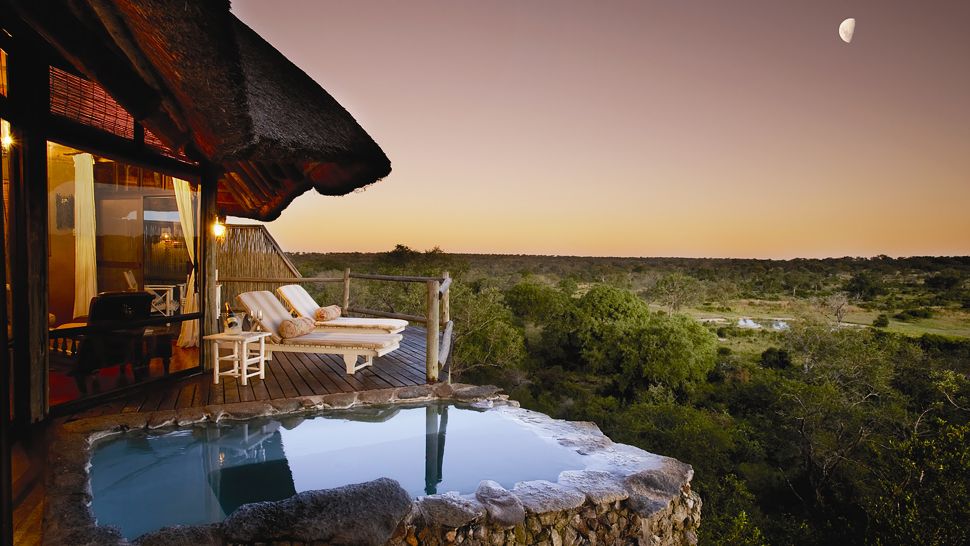
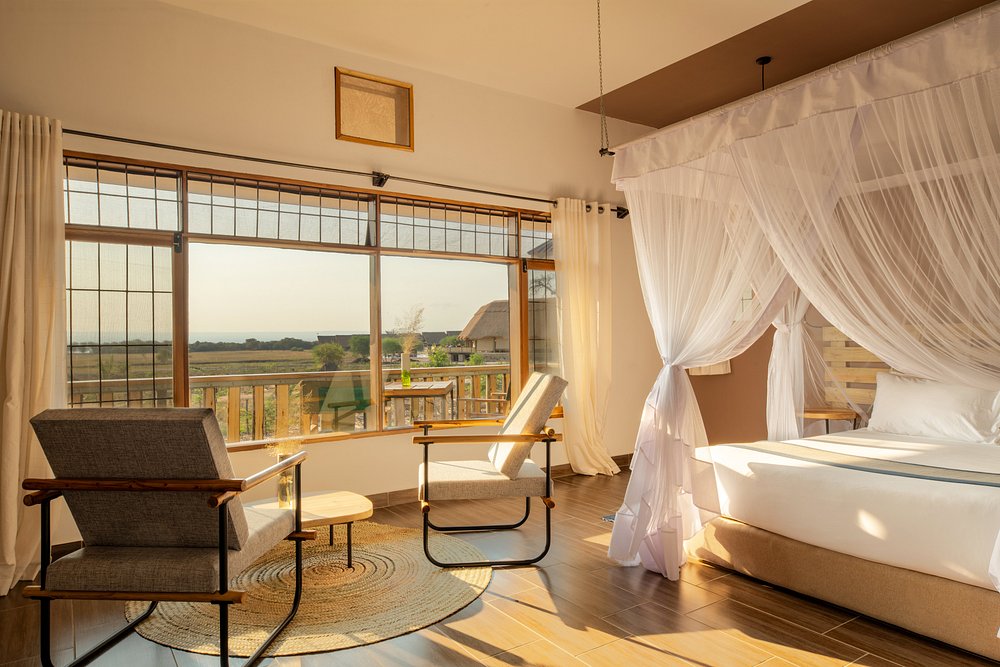
At Lindo Travel & Tours, we carefully handpick our accommodation partners based on comfort, hospitality, service quality, and location. From charming safari lodges to luxury camps and beach resorts, we work with trusted properties to ensure every stay adds comfort and memorable moments to your journey.
Explore our travel blog for expert tips, destination guides, wildlife insights, Kilimanjaro climbing advice, and safari inspiration. Whether you're planning your first trip to Tanzania or looking for insider knowledge, our articles will help you make the most of your adventure.
25 Best Things to Do in Tanzania: Safaris, Beaches & Adventures
Things to do in Tanzania go far beyond the famous wildlife safaris that have made this East African country one of Africa's most celebrated travel destinations. From watching thousands of wildebeest cross the Serengeti plains to climbing Africa's highest mountain, exploring the historic streets of Zanzibar and relaxing beside the Indian Ocean, Tanzania offers extraordinary experiences for every kind of traveler.
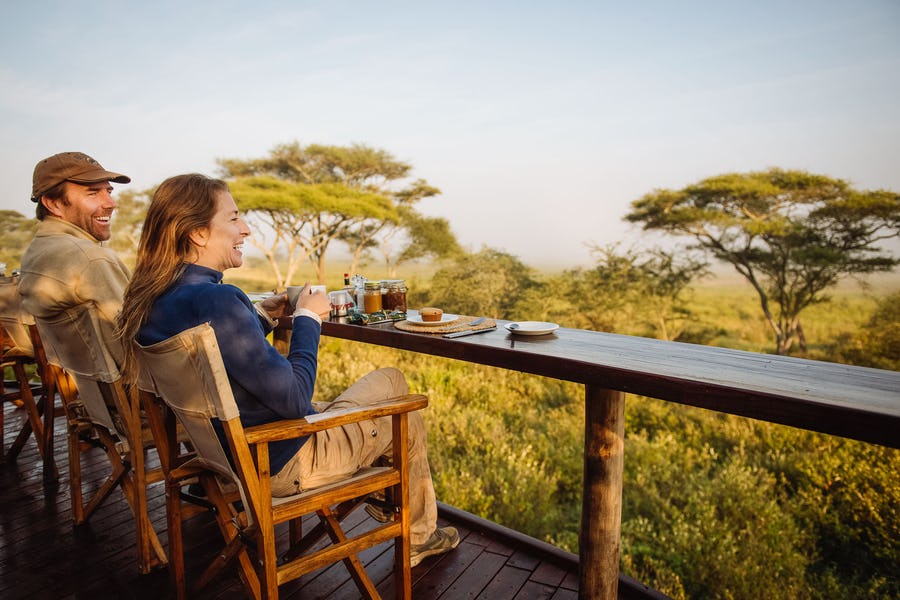
Imagine waking up to the sound of lions calling across the African wilderness, enjoying a sunrise over the snow-capped peak of Mount Kilimanjaro, or walking through a traditional village where coffee is still prepared using generations-old methods. These are just a few of the adventures waiting for you.
Tanzania is a country of remarkable contrasts. It has vast savannahs, volcanic landscapes, tropical islands, ancient cultures, beautiful lakes, dense forests and mountains that attract adventurers from around the world. Whether you are planning your first African safari, a romantic honeymoon, a family holiday or a challenging mountain expedition, there is something here that will make your journey unforgettable.
In this guide, we explore 25 of the best things to do in Tanzania, including wildlife encounters, outdoor adventures, cultural experiences and relaxing island escapes. We will also share ideas to help you combine different experiences when planning your trip.
Wildlife and Safari Experiences
1. Experience the Great Wildebeest Migration in Serengeti National Park
A visit to Serengeti National Park is one of the most unforgettable things to do in Tanzania. This enormous wilderness is famous for its endless golden plains, impressive wildlife populations and the spectacular Great Wildebeest Migration.
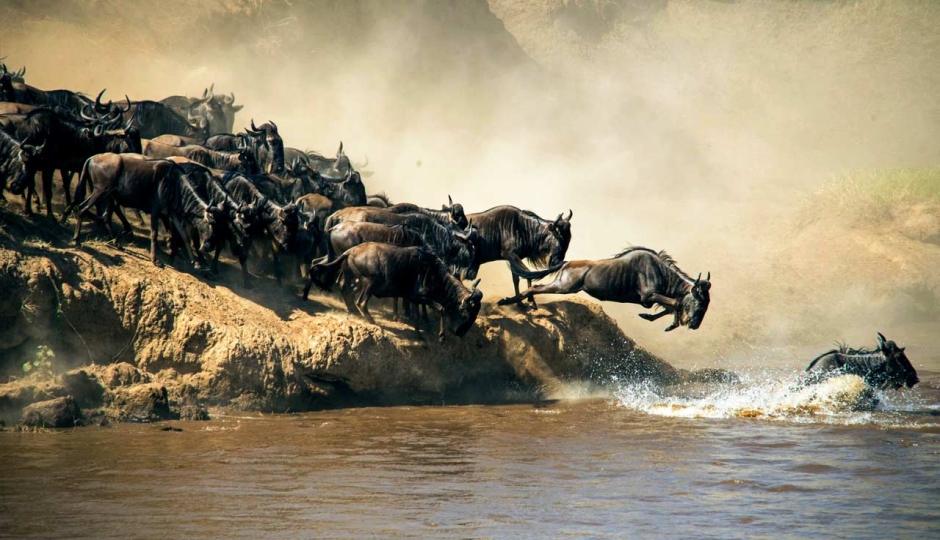
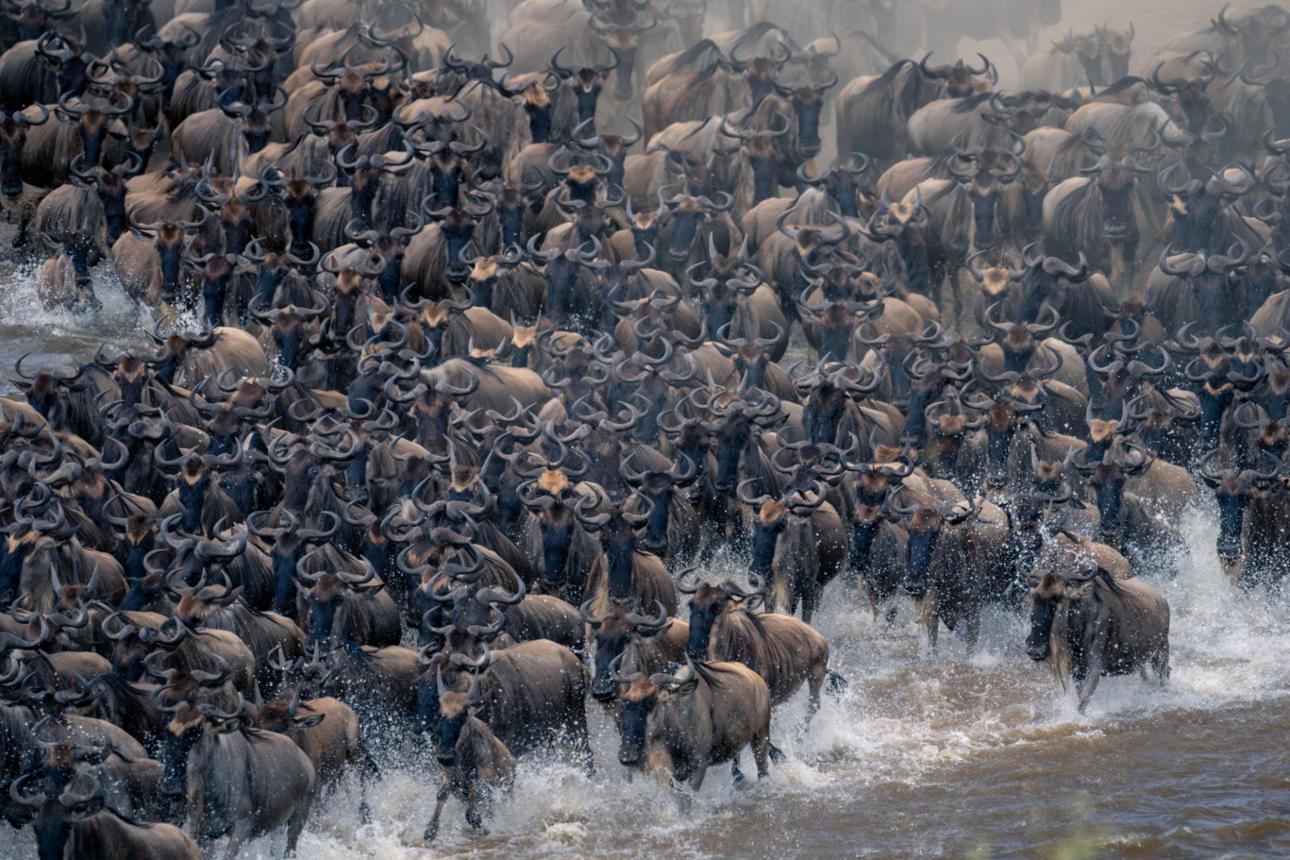
Every year, more than a million wildebeest, accompanied by zebras and gazelles, move through the Serengeti ecosystem in search of fresh grazing and water. Their journey follows seasonal rainfall patterns, creating one of the greatest wildlife spectacles on Earth.
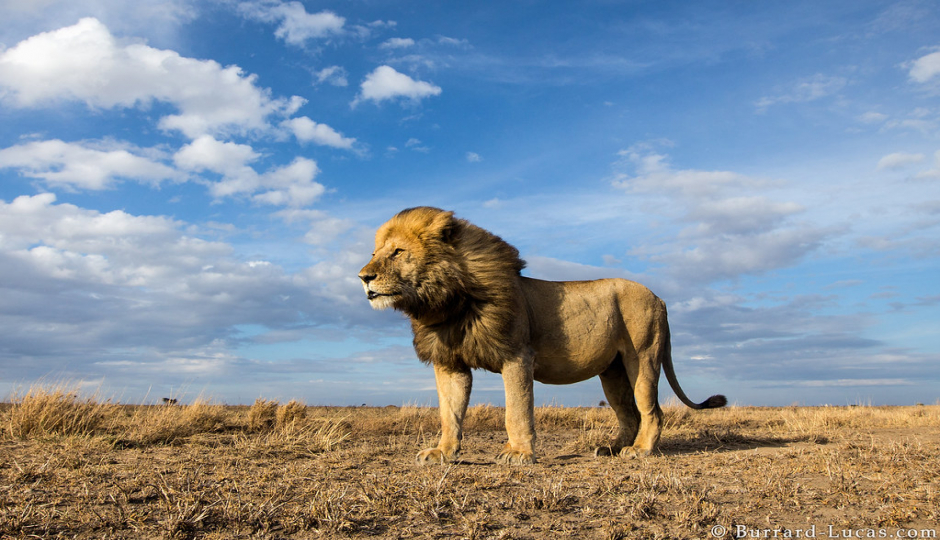
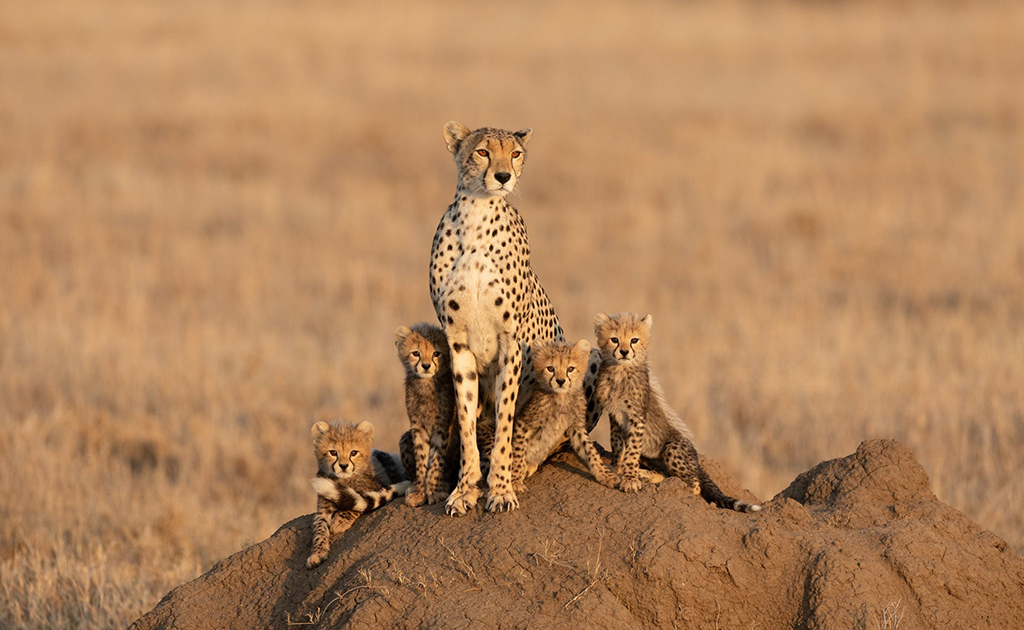
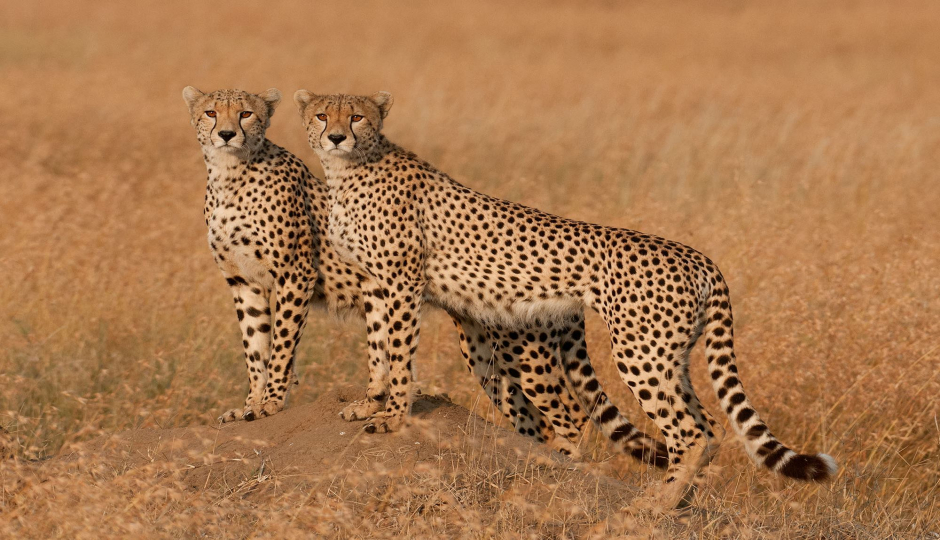
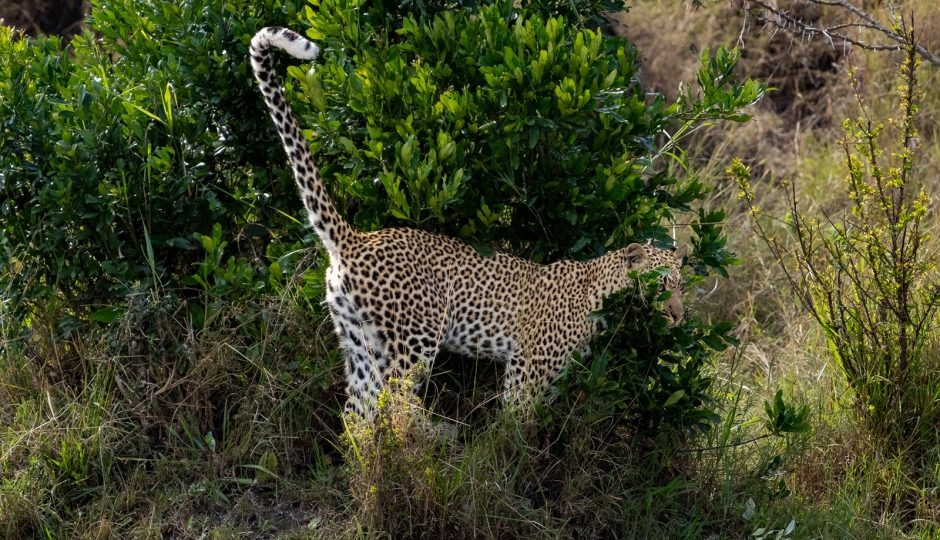
Depending on the time of year, you may witness enormous herds gathering on the southern plains, predators hunting during the calving season, or dramatic river crossings in the northern Serengeti. Lions, leopards, cheetahs, elephants, giraffes, hyenas and many other animals can also be spotted throughout the park.
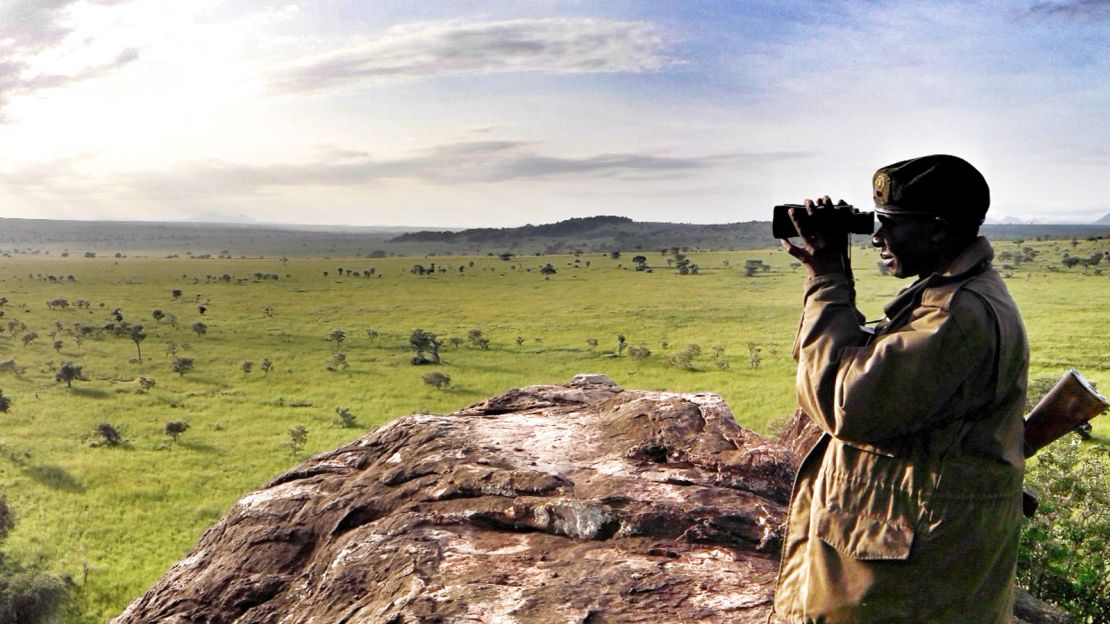
The best way to experience the Serengeti is on a multi-day safari with an experienced guide who understands animal behaviour and seasonal wildlife movements.
Best for: Wildlife enthusiasts, photographers, couples and first-time safari travellers.
Travel tip: The migration moves throughout the year. Your safari location should be selected according to the season and the wildlife experience you hope to see.
2. Explore the Ngorongoro Crater
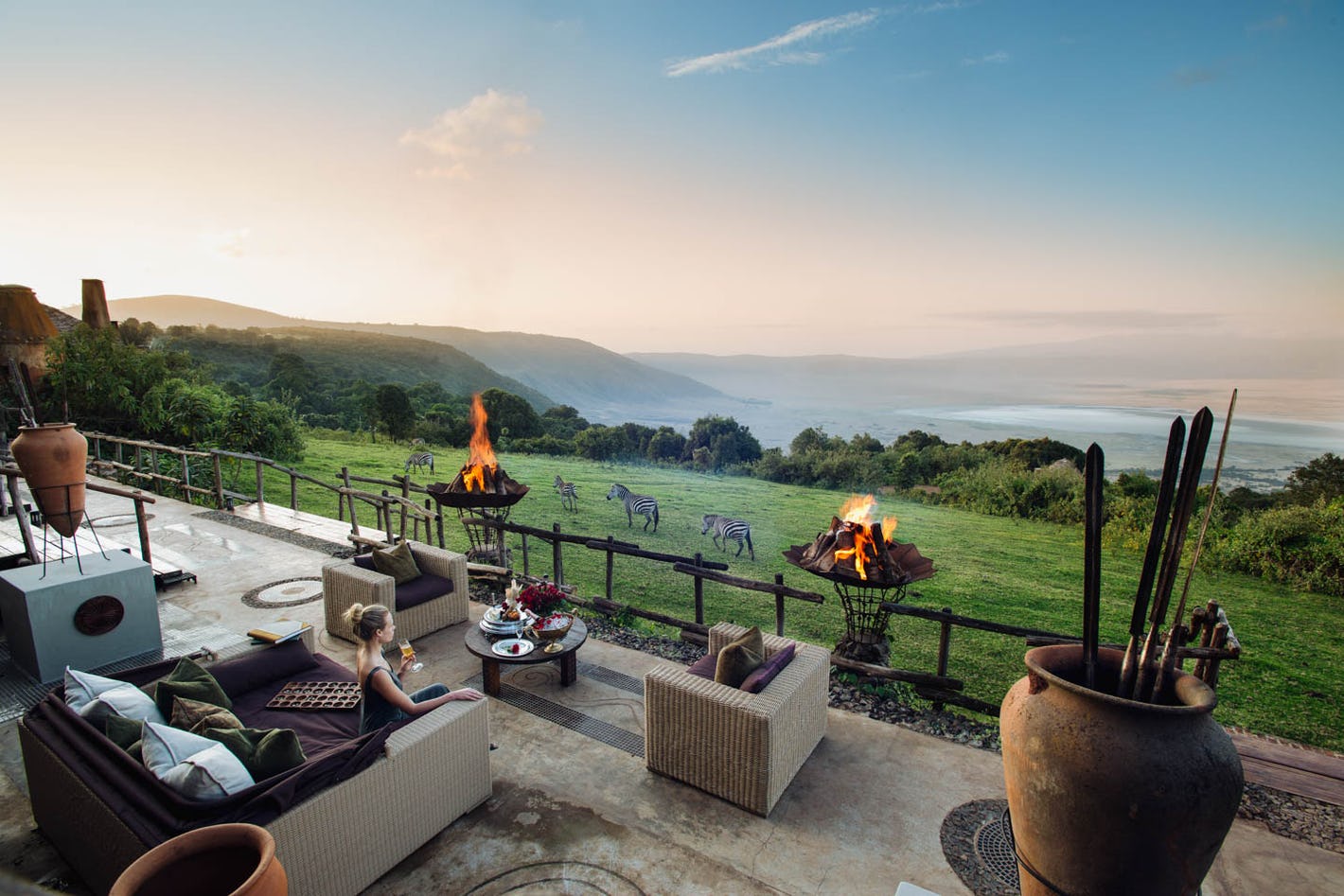
The Ngorongoro Crater is one of Tanzania's most remarkable natural attractions and a highlight of the Northern Safari Circuit. Formed by the collapse of a large volcanic structure, this enormous caldera creates a beautiful natural landscape surrounded by steep crater walls.
Descending into the crater feels like entering a different world. Open grasslands, woodland, wetlands and a soda lake provide habitats for a remarkable variety of wildlife.
The crater is particularly famous for its excellent opportunities to see lions, elephants, buffaloes, zebras, wildebeest and flamingos. It is also one of the places where visitors have a chance of spotting the endangered black rhinoceros.
A game drive across the crater floor offers a wonderful opportunity to experience Tanzania's wildlife in a relatively compact area. The scenery is equally impressive, with dramatic views from the crater rim.
Best for: First-time safari visitors, wildlife photographers and travellers interested in seeing a variety of animals in one destination.
Travel tip: An early morning descent is a great way to enjoy the crater before the busiest hours of the day.
3. Discover the Elephants and Baobab Trees of Tarangire National Park
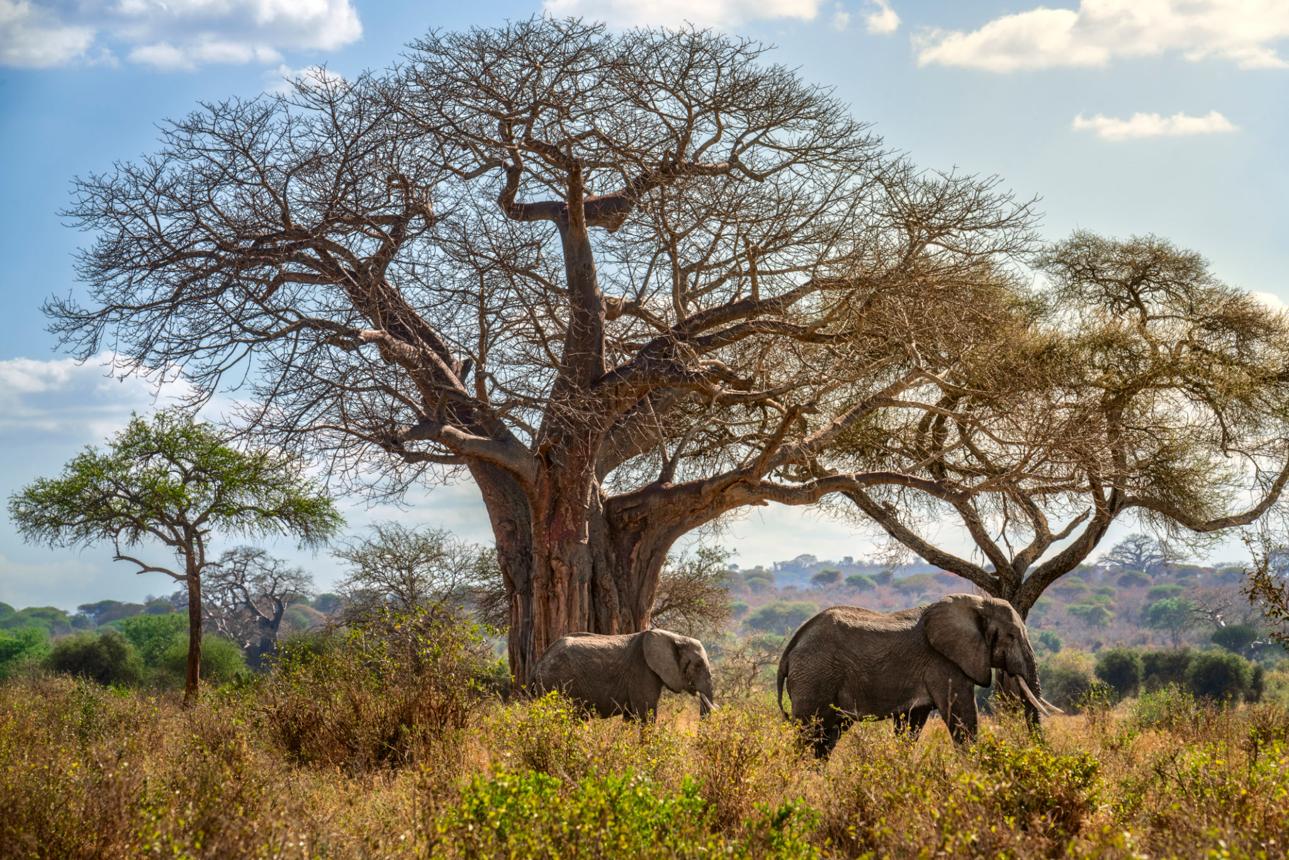
If you love elephants, Tarangire National Park deserves a place on your Tanzania itinerary. The park is particularly famous for its large elephant herds and impressive baobab trees, some of which have stood in the landscape for centuries.
During the dry season, wildlife gathers around the Tarangire River, which becomes an important source of water. This creates excellent opportunities to observe elephants, giraffes, zebras, wildebeest, buffaloes and various antelope species.
Tarangire is also home to predators such as lions and leopards, as well as an impressive variety of birdlife. Its landscapes are different from those of the Serengeti, with river valleys, ancient trees and open savannah creating a distinctive safari atmosphere.
For travellers exploring northern Tanzania, Tarangire is an excellent addition to a safari that includes Serengeti and Ngorongoro.
Best for: Elephant lovers, birdwatchers, families and photographers.
Travel tip: The dry season, particularly from June to October, is generally a rewarding time for wildlife viewing around the river.
4. Visit Lake Manyara National Park
Lake Manyara National Park may be smaller than some of Tanzania's other famous parks, but it offers a surprisingly diverse collection of landscapes and wildlife.
The park is known for its groundwater forests, open grasslands, woodland areas and the beautiful alkaline lake that attracts large numbers of birds. Depending on the season and water conditions, visitors may see flamingos and many other waterbirds.
Lake Manyara is also known for its tree-climbing lions, although sightings are not guaranteed. Elephants, giraffes, baboons, hippos, zebras and other animals can also be encountered during a game drive.
One of the park's greatest attractions is the variety of scenery within a relatively short driving distance. It is a wonderful destination for travellers who want to experience a different side of Tanzania's wildlife.
Best for: Birdwatchers, nature lovers and travellers on a Northern Circuit safari.
Travel tip: Combine Lake Manyara with Tarangire and Ngorongoro for a varied northern Tanzania safari.
5. Enjoy a Safari in Nyerere National Park
For travellers looking beyond the busy Northern Safari Circuit, Nyerere National Park offers an exciting opportunity to explore one of Tanzania's great wilderness areas.
Located in southern Tanzania, Nyerere is known for its extensive landscapes, rivers, woodlands and diverse wildlife. The Rufiji River system is one of its most distinctive features, creating opportunities for experiences that differ from the traditional savannah game drive.
Visitors may encounter elephants, lions, giraffes, buffaloes, hippos, crocodiles, wild dogs and numerous bird species.
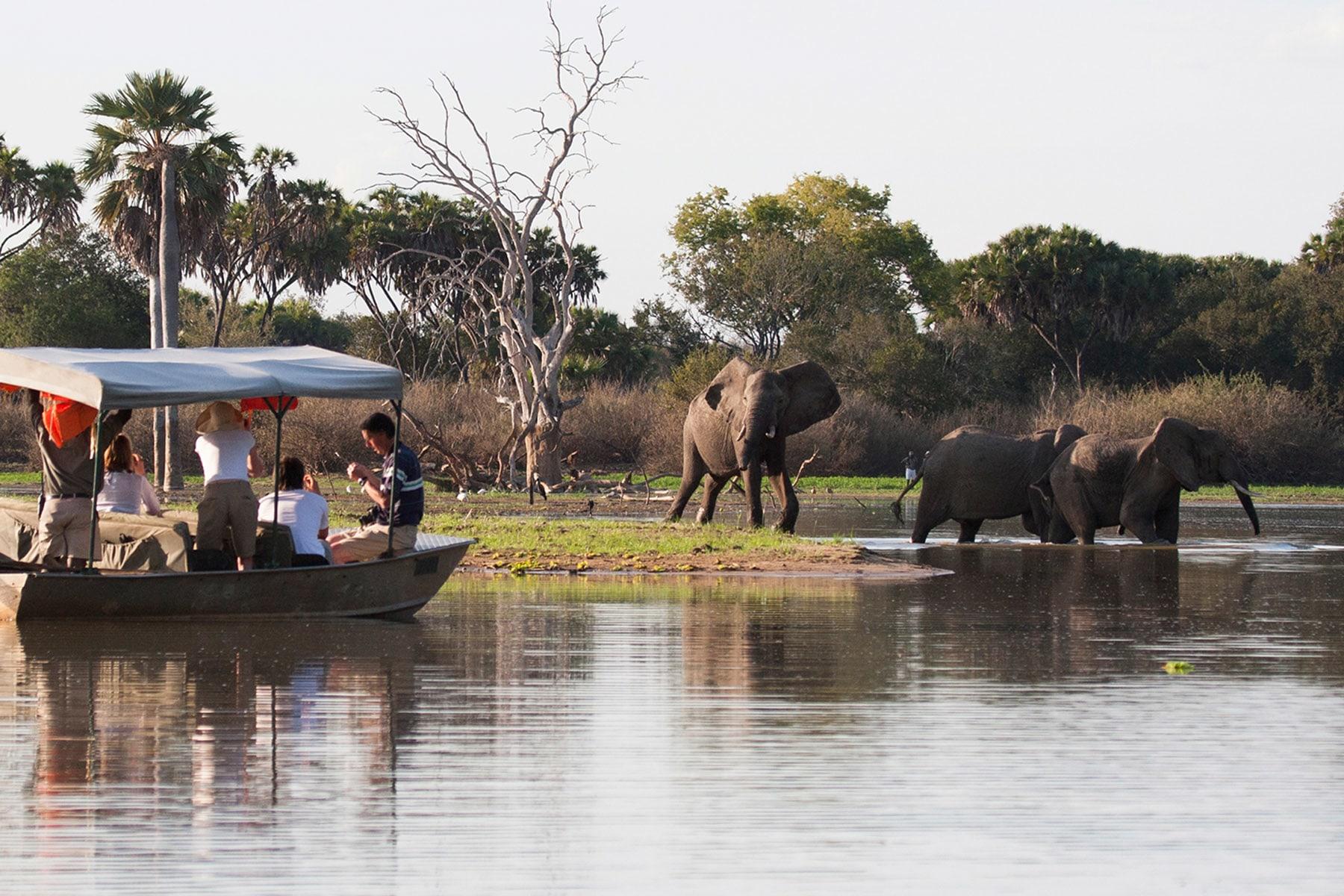
Depending on the area and arrangements, safari activities can include game drives, boat safaris and guided walking experiences. A boat safari along the Rufiji River is particularly memorable because it offers a different perspective of the wildlife and surrounding environment.
Best for: Repeat safari travellers, couples, photographers and visitors seeking a quieter safari experience.
Travel tip: Nyerere is generally easier to include in a southern Tanzania itinerary than a short Northern Circuit safari, so allow enough time for travel and exploration.
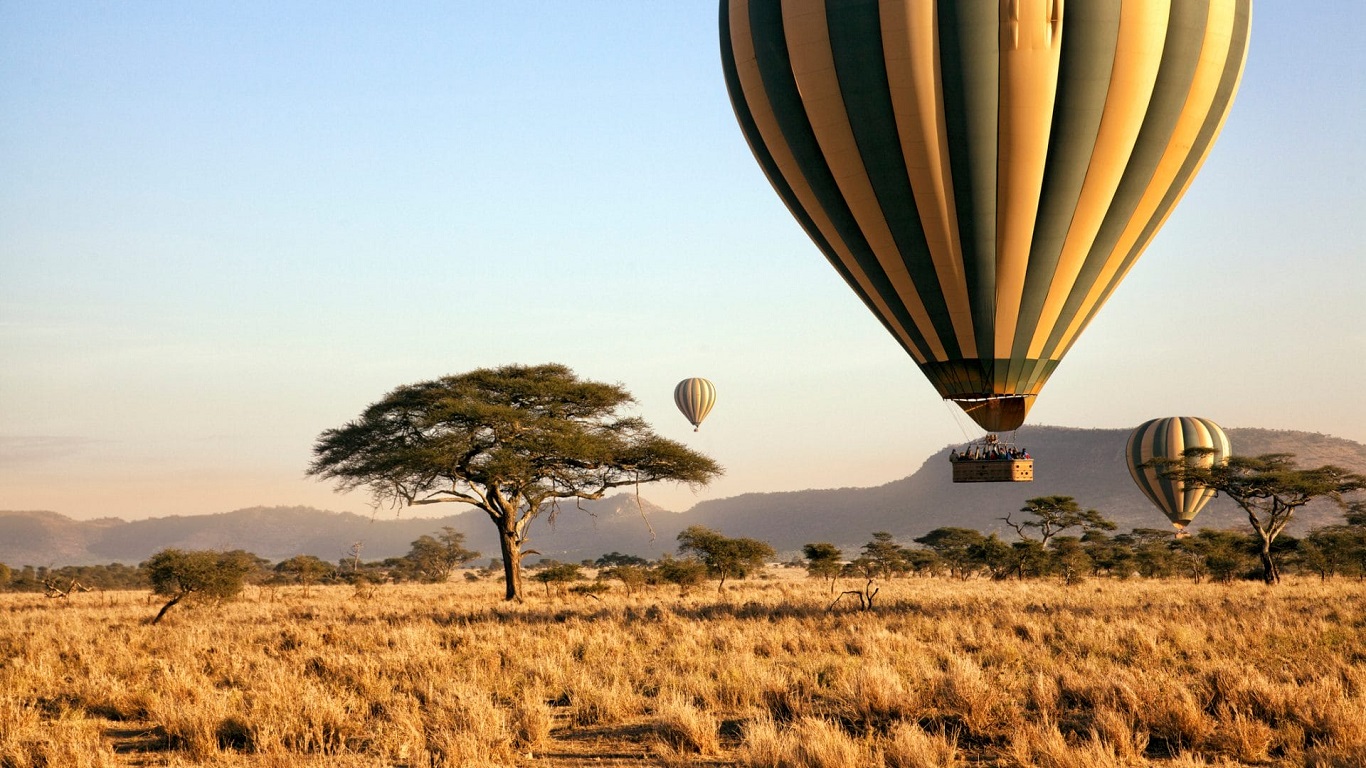
6. Experience a Hot-Air Balloon Safari Over the Serengeti
Imagine floating silently above the African plains as the sun rises over the Serengeti. Below you, herds of wildebeest move across the grasslands, elephants wander between trees and rivers wind through the landscape.
A hot-air balloon safari is one of the most memorable luxury experiences available in Tanzania. The adventure usually begins before sunrise, when guests are transferred to the launch area. After a safety briefing, the balloon rises into the morning sky, offering panoramic views of the surrounding wilderness.
The flight is followed by a traditional bush breakfast in the Serengeti, making the experience even more special. Although balloon safaris are an additional expense and are not included in every standard safari package, they are worth considering if you want to add something extraordinary to your trip.
Best for: Honeymooners, photographers, luxury travellers and special celebrations.
Travel tip: Book in advance, particularly during popular travel seasons, as balloon flights have limited capacity.
7. Go on a Guided Walking Safari
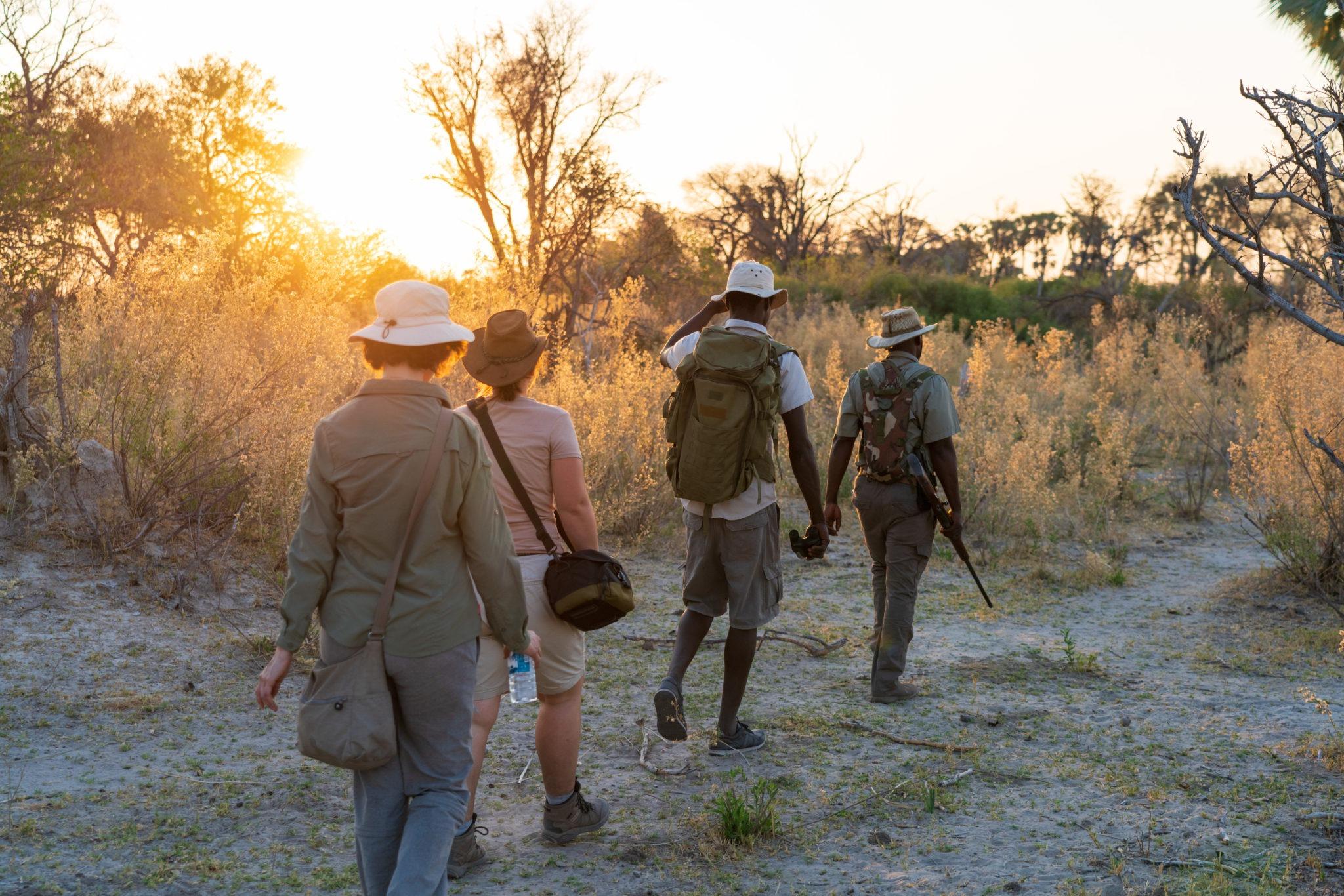
A game drive allows you to cover large distances and search for wildlife from the comfort of a safari vehicle. A walking safari, however, invites you to slow down and discover the smaller details of the African wilderness.
Accompanied by an authorised and qualified guide or ranger, you can learn about animal tracks, plants, insects, bird calls and the relationship between different species and their environment. You may discover how elephants feed, identify footprints left by animals during the night or learn how plants are used in traditional knowledge.
Walking safaris are not simply about getting close to large animals. They are about understanding the natural environment in a more personal way.
Best for: Nature lovers, adventurous travellers and people interested in learning about the bush.
Travel tip: Walking activities are only permitted in designated areas and under the required supervision. Always follow your guide's safety instructions.
Mountains and Outdoor Adventures
8. Climb Mount Kilimanjaro – Reach the Roof of Africa
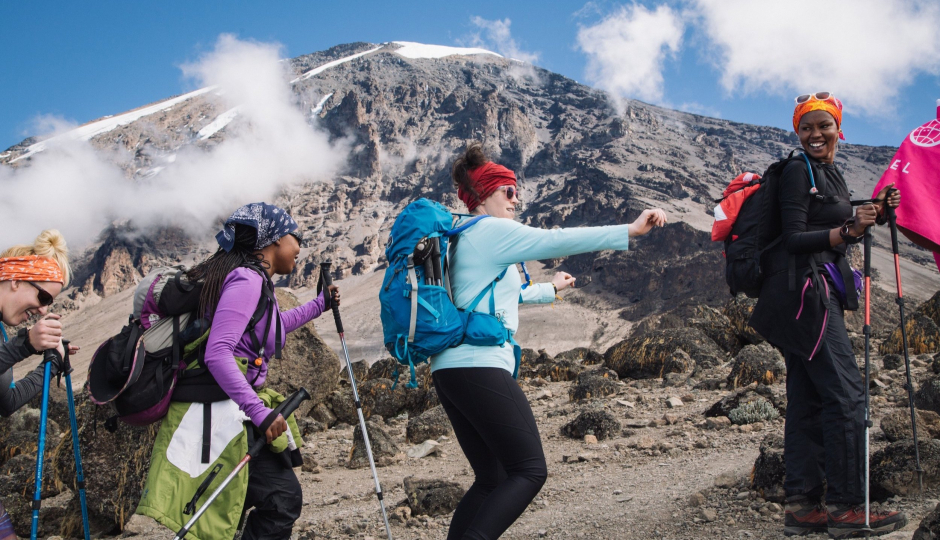
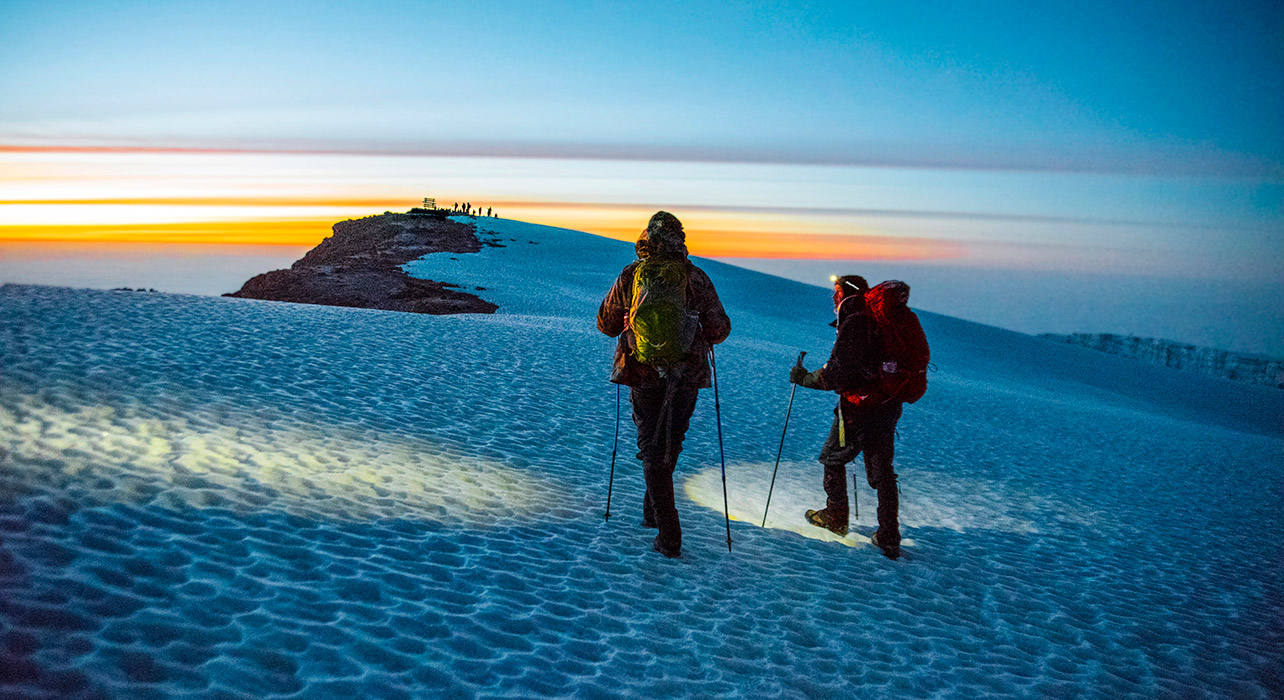
Climbing Mount Kilimanjaro is one of the greatest adventures you can experience in Tanzania. Rising to approximately 5,895 metres above sea level, Kilimanjaro is the highest mountain in Africa and attracts trekkers from around the world. Unlike many other high mountains, Kilimanjaro can be climbed without technical mountaineering skills. However, reaching the summit is still physically demanding and requires proper preparation, a suitable itinerary and experienced mountain guides.
The mountain has several established climbing routes, including Machame, Lemosho, Marangu, Rongai, Umbwe and the Northern Circuit. Each route offers different scenery, durations and trekking experiences.
As you climb, you pass through several ecological zones, beginning in cultivated landscapes and montane forests before reaching moorland, alpine desert and the high-altitude summit region.
The final ascent usually begins during the night. Reaching Uhuru Peak as the sun rises over Africa is an emotional moment that many climbers remember for the rest of their lives.
Best for: Adventure travellers, hikers, fitness enthusiasts and people seeking a major personal achievement.
Travel tip: Choose a route with sufficient acclimatisation time. A longer itinerary generally gives your body more opportunity to adjust to the altitude.
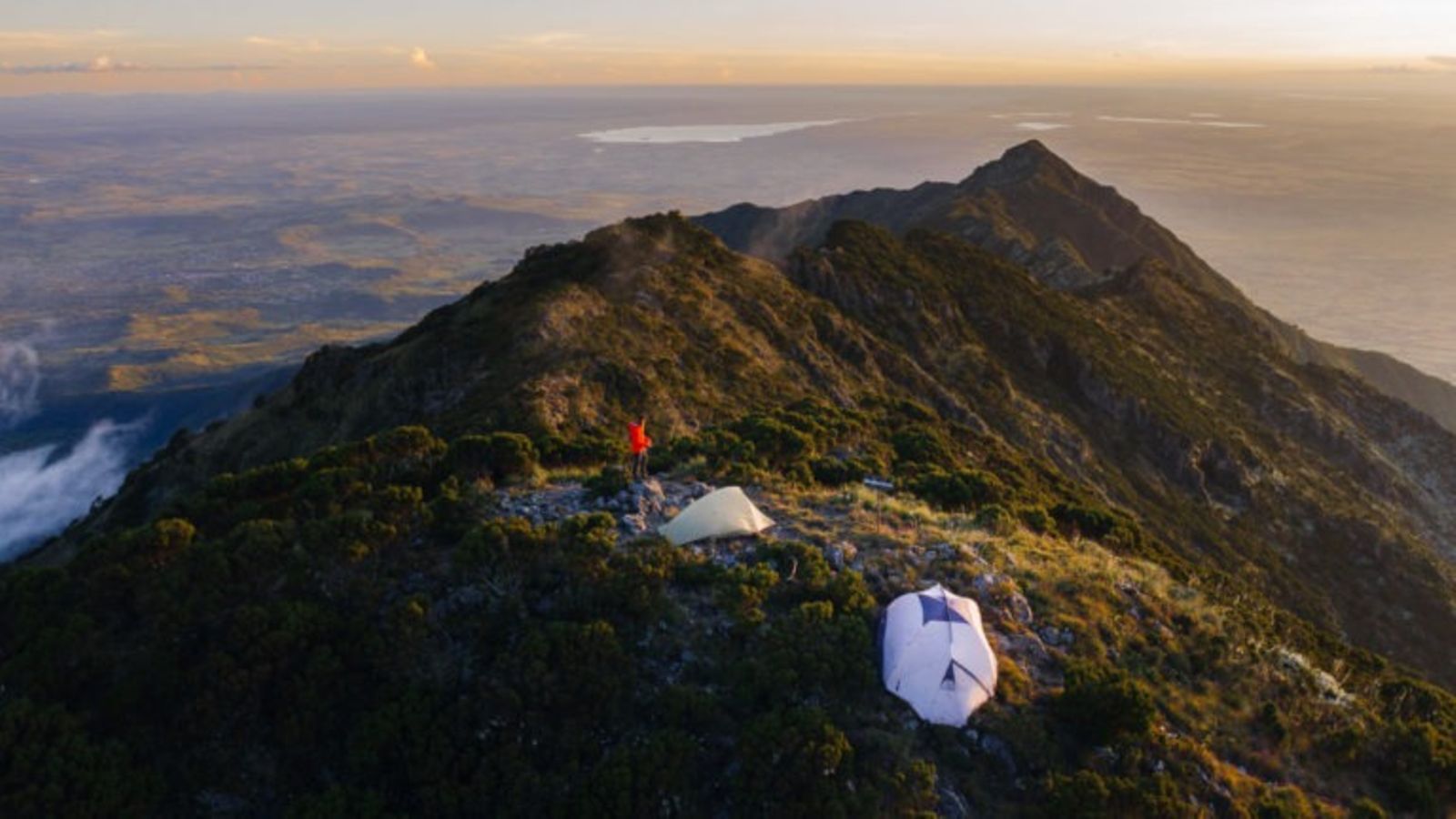
9. Hike Mount Meru in Arusha National Park
Mount Meru is another impressive mountain adventure in northern Tanzania. Standing at approximately 4,566 metres, it is the country's second-highest mountain and offers a rewarding trekking experience.
The mountain is located within Arusha National Park, where the scenery includes forest, open moorland, volcanic landscapes and spectacular views.
The climb is often completed over several days and provides an opportunity to experience different vegetation zones. On clear days, trekkers may enjoy magnificent views of Mount Kilimanjaro from the mountain.
Mount Meru is also an excellent trekking destination for people who want a challenging mountain experience without committing to the full Kilimanjaro expedition.
Best for: Experienced hikers, mountain lovers and travellers looking for a shorter high-altitude adventure.
Travel tip: Allow enough time for the climb and follow the park's guide and ranger requirements.
10. Discover the Materuni Waterfalls and Chagga Culture
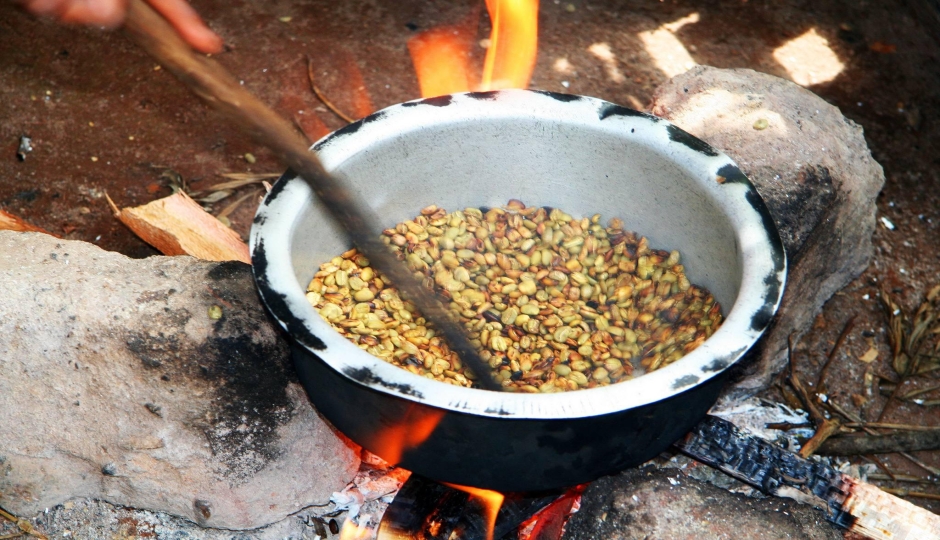
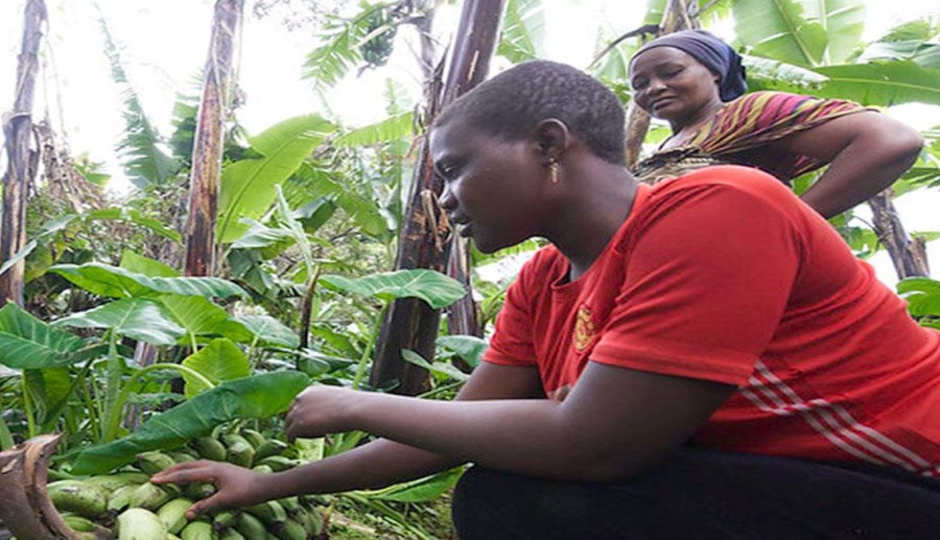
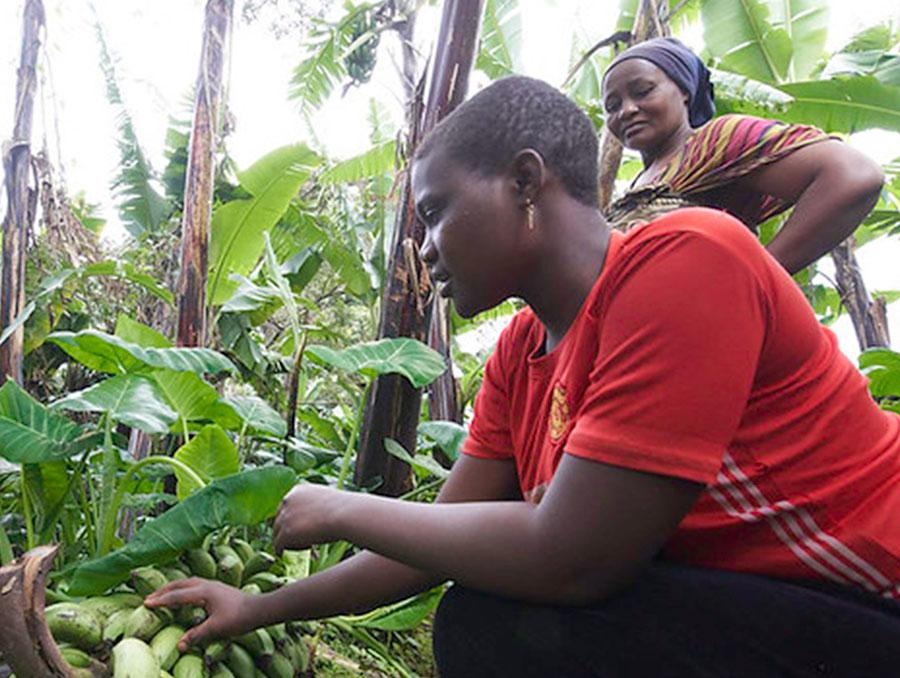
Located on the slopes of Mount Kilimanjaro near Moshi, Materuni is a beautiful village surrounded by green landscapes, banana farms and coffee plantations. One of its main attractions is Materuni Waterfall, where water cascades down a dramatic forested landscape into a natural pool below. Reaching the waterfall involves a guided walk through the village and surrounding countryside. The experience is not only about the scenery. Visitors can also learn about Chagga culture and traditional farming practices, including how coffee is grown, harvested, roasted and prepared.
A traditional coffee experience often involves participating in the preparation process, enjoying local food and learning about the importance of coffee farming to the community.
Best for: Culture lovers, families, photographers and visitors staying around Moshi or Arusha.
Travel tip: Wear comfortable walking shoes because some sections of the trail can be slippery, especially after rainfall.
11. Relax at Chemka Hot Springs
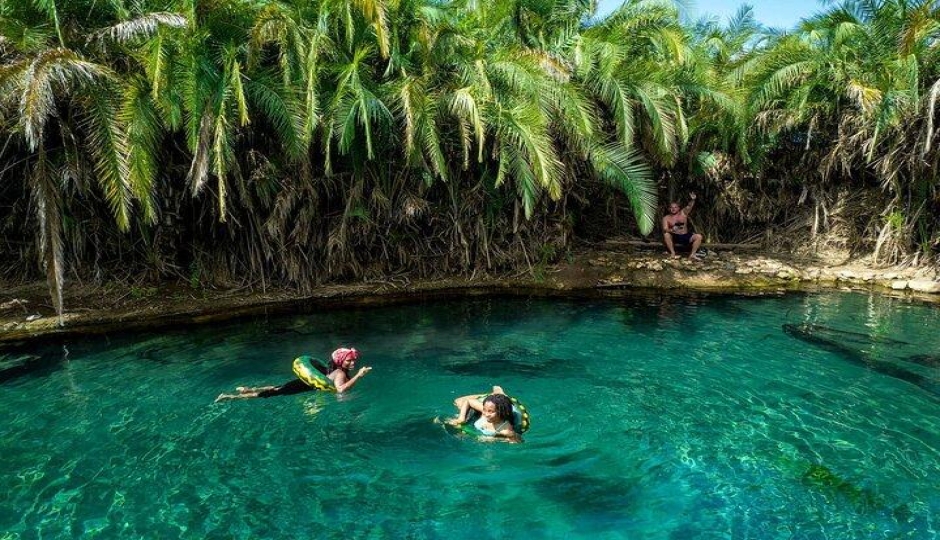
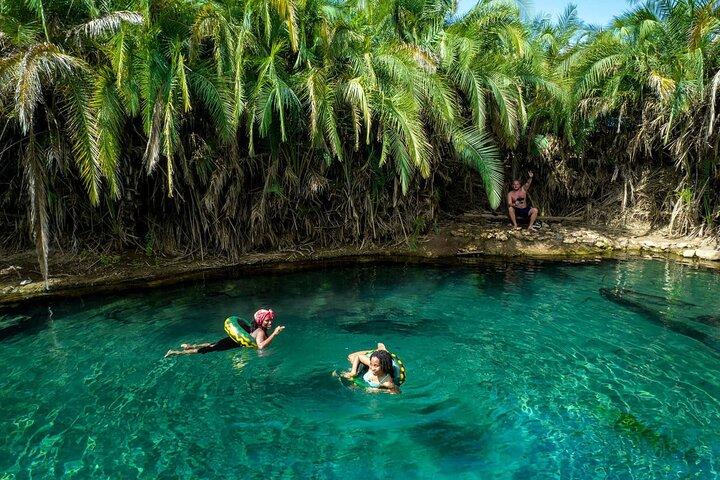
Chemka Hot Springs, also known as Kikuletwa Hot Springs, is a beautiful natural swimming destination between Moshi and Arusha. Despite its name, the water is not necessarily hot. It is generally known for its clear, refreshing water and the peaceful surroundings created by trees and natural vegetation.
The springs provide a relaxing escape after a demanding mountain climb or several days of safari. Visitors can swim, enjoy the scenery and spend time relaxing in nature. It is a popular day trip for travellers staying in the Kilimanjaro and Arusha regions.
Best for: Couples, families, groups of friends and travellers looking for a relaxing outdoor activity.
Travel tip: Bring swimwear, a towel, sunscreen and a change of clothes. Check local conditions before travelling, as water levels and access can vary.
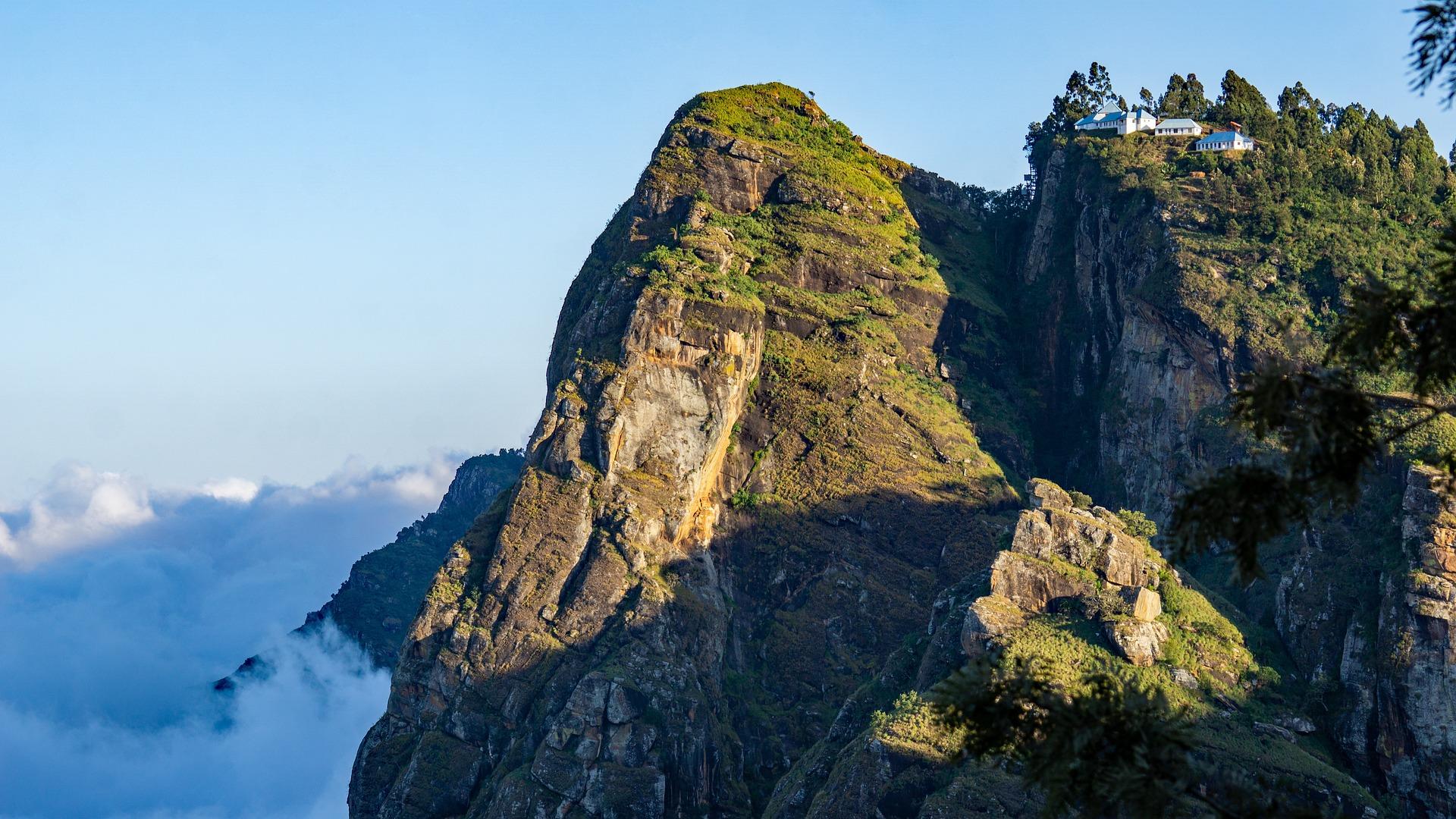
12. Explore the Usambara Mountains
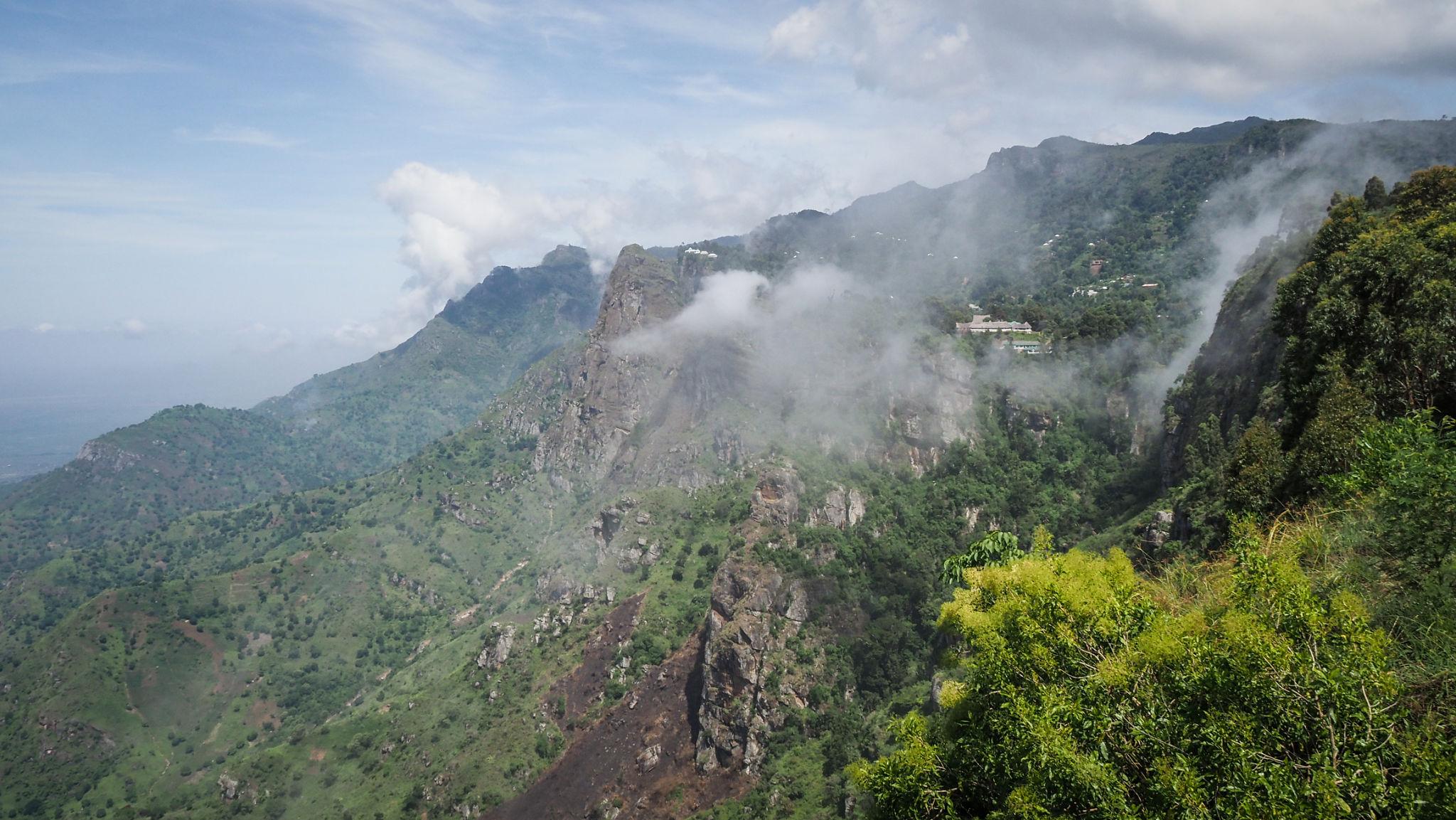
The Usambara Mountains in northeastern Tanzania offer a completely different atmosphere from the country's famous safari destinations.
These green highlands are known for their cool climate, forested slopes, traditional villages, agricultural landscapes and beautiful viewpoints.
Hiking is one of the best ways to explore the area. Guided walks can take you through villages, farms, forest trails and viewpoints overlooking the surrounding valleys.
The Usambaras are also interesting for birdwatchers and nature enthusiasts because the region contains important forest habitats and distinctive biodiversity. If you want to discover a quieter part of Tanzania and experience rural life away from the main tourist routes, the Usambara Mountains are worth considering.
Best for: Hikers, birdwatchers, photographers and travellers interested in rural culture.
Travel tip: Allow several days if you want to enjoy the region properly rather than rushing through a single viewpoint.
Zanzibar and Coastal Experiences
13. Explore the Historic Streets of Stone Town
Stone Town is the cultural and historical heart of Zanzibar and one of the most fascinating places to visit in Tanzania. Its narrow streets, carved wooden doors, old buildings, bustling markets and historic waterfront reflect centuries of trade and cultural exchange along the Swahili coast. Walking through Stone Town is like stepping into a living museum. You can explore the Old Fort, visit the House of Wonders area, discover the former slave market site and admire the architecture of traditional buildings.
The town is also famous for its spice shops, local restaurants, small cafés and lively markets. A guided walking tour is an excellent way to understand the history behind the streets and buildings. You will learn about Zanzibar's role in Indian Ocean trade and the different cultural influences that shaped the island.
Best for: History enthusiasts, photographers, culture lovers and first-time Zanzibar visitors.
Travel tip: Dress respectfully when visiting religious and residential areas, and ask permission before photographing local people.
14. Relax on Zanzibar's White-Sand Beaches
Zanzibar is famous for its beautiful beaches, turquoise waters and tropical atmosphere. After an adventurous safari or Kilimanjaro climb, spending a few days beside the Indian Ocean can be the perfect way to end your holiday.
Popular beach destinations include Nungwi, Kendwa, Paje, Jambiani and Matemwe. Each area offers a slightly different experience.
Nungwi and Kendwa are popular for swimming, beach restaurants and beautiful sunsets. Paje and Jambiani attract visitors interested in kitesurfing, relaxed beach life and exploring the local coastline. Matemwe offers a quieter atmosphere and access to excellent marine experiences.
Whether you prefer a luxury beach resort or a small guesthouse close to the local community, Zanzibar has accommodation options for different budgets.
Best for: Honeymooners, families, beach lovers and travellers seeking relaxation.
Travel tip: Tides affect swimming conditions on parts of Zanzibar's east coast. Check local tide information when choosing your beach accommodation.
15. Take a Zanzibar Spice Tour
Zanzibar is often called the Spice Island, and a spice tour is one of the most interesting ways to discover the island beyond its beaches. During a guided tour, visitors can explore farms where spices and tropical plants are grown. Depending on the season and farm, you may see cloves, cinnamon, nutmeg, black pepper, vanilla, cardamom and other aromatic plants.
Your guide will explain how different spices are cultivated, harvested and used in cooking, traditional practices and everyday life.
You will also have the opportunity to smell and taste some of the products, making the experience educational and enjoyable.
Best for: Food lovers, families, culture enthusiasts and curious travellers.
Travel tip: Combine a spice tour with a visit to Stone Town for a full day exploring Zanzibar's history and culture.
16. Go Snorkelling or Diving Around Mnemba Atoll
The waters around Zanzibar are home to beautiful coral reefs and a variety of marine life. Mnemba Atoll, located off the northeastern coast of Unguja, is one of the island's best-known marine destinations.
Snorkelling excursions allow visitors to explore clear tropical waters and observe colourful fish, coral formations and other marine creatures.
For certified divers, the surrounding waters offer opportunities to explore underwater landscapes and discover marine biodiversity with qualified dive operators.
Marine conditions vary according to weather, tides and visibility, so the experience can be different from one day to another.
Best for: Ocean lovers, couples, snorkelling enthusiasts and certified divers.
Travel tip: Choose responsible operators who respect marine life and avoid touching coral, feeding wildlife or disturbing sea animals.
17. Visit Mafia Island and Discover Its Marine Life
Mafia Island is a quieter island destination south of Zanzibar, known for its relaxed atmosphere and marine environment. The island is an excellent choice for travellers who enjoy snorkelling, diving, fishing and exploring coastal communities. Its surrounding waters form part of a protected marine environment with coral reefs, mangroves and important marine habitats.
One of the experiences that attracts visitors is the opportunity to encounter whale sharks in the waters around Mafia during the appropriate season. These gentle filter-feeding animals are impressive to see, although sightings cannot be guaranteed.
Compared with Zanzibar's more developed beach areas, Mafia generally offers a slower and more peaceful island experience.
Best for: Divers, snorkellers, nature enthusiasts and travellers seeking a less crowded island escape.
Travel tip: Plan your visit around seasonal marine conditions and choose responsible operators that follow wildlife interaction guidelines.
Culture, History and Local Experiences
18. Experience Maasai Culture in Northern Tanzania
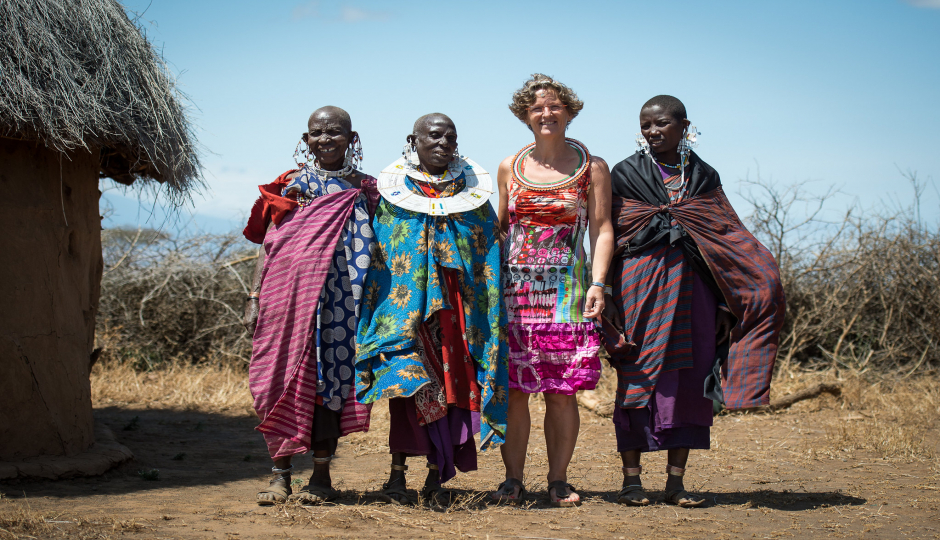
The Maasai are among East Africa's most recognised pastoral communities, with a rich cultural heritage connected to cattle keeping, traditional knowledge, beadwork, clothing and community life. A responsible cultural visit near the Ngorongoro or other northern Tanzania areas can provide an opportunity to learn about Maasai traditions and contemporary life.
Depending on the community and arrangements, visitors may learn about traditional homes, livestock practices, local crafts, music, dance and the importance of cattle in Maasai society.
The most meaningful visits are those organised with community participation and respect for local customs. Cultural tourism should create an opportunity for genuine learning and benefit the people who welcome visitors.
Best for: Culture enthusiasts, families and travellers interested in local traditions.
Travel tip: Always ask before taking photographs, respect community rules and choose visits that are organised transparently with local participation.
19. Meet the Hadzabe Community Near Lake Eyasi
Lake Eyasi, located in northern Tanzania, is home to the Hadzabe, an indigenous hunter-gatherer community with distinctive traditions and knowledge of the natural environment. A guided cultural experience can introduce visitors to aspects of traditional hunting and gathering practices, local plants, survival skills and the community's relationship with the surrounding landscape. The Hadzabe have a unique language and cultural heritage, and visiting the area can provide a valuable opportunity to learn about a way of life that differs greatly from modern urban lifestyles.
These visits require sensitivity and respect. The community should never be treated as an attraction to be photographed without permission.
Best for: Cultural travellers, anthropological interests and visitors seeking a deeper understanding of Tanzania's diversity.
Travel tip: Arrange the visit through responsible local guides who work respectfully with the community and follow agreed visitor practices.
20. Discover Tanzanian Food and Local Cuisine
One of the most enjoyable ways to experience Tanzania is through its food. Tanzanian cuisine reflects the country's cultural diversity, agricultural traditions and coastal influences. From local street food to traditional family meals, there are many flavours worth discovering.
Some popular dishes include:
Ugali: A traditional maize-based staple commonly served with vegetables, meat or fish.
Nyama choma: Grilled meat, often enjoyed with friends and family.
Pilau: A fragrant rice dish prepared with spices, commonly served during celebrations and special occasions.
Chipsi mayai: A popular combination of French fries and eggs, often served with salad or sauce.
Mishkaki: Seasoned meat skewers grilled over charcoal.
Zanzibar seafood: Fresh fish, octopus, prawns and other seafood prepared with coastal spices.
Zanzibar pizza: A popular street-food snack with different sweet and savoury fillings.
Food is also an important part of social life in Tanzania. Visiting a local restaurant or enjoying a home-style meal can help you understand the country's hospitality and traditions.
Best for: Food lovers, adventurous eaters and travellers interested in everyday Tanzanian life.
Travel tip: Try local restaurants recommended by your guide and let them introduce you to regional specialities.
21. Enjoy a Traditional Coffee Experience in Tanzania
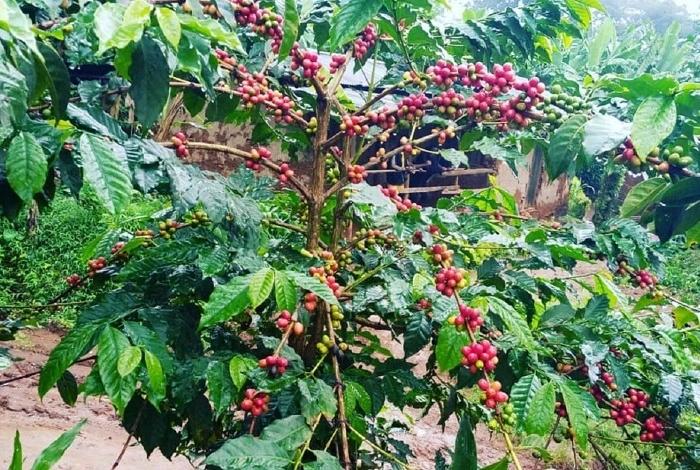
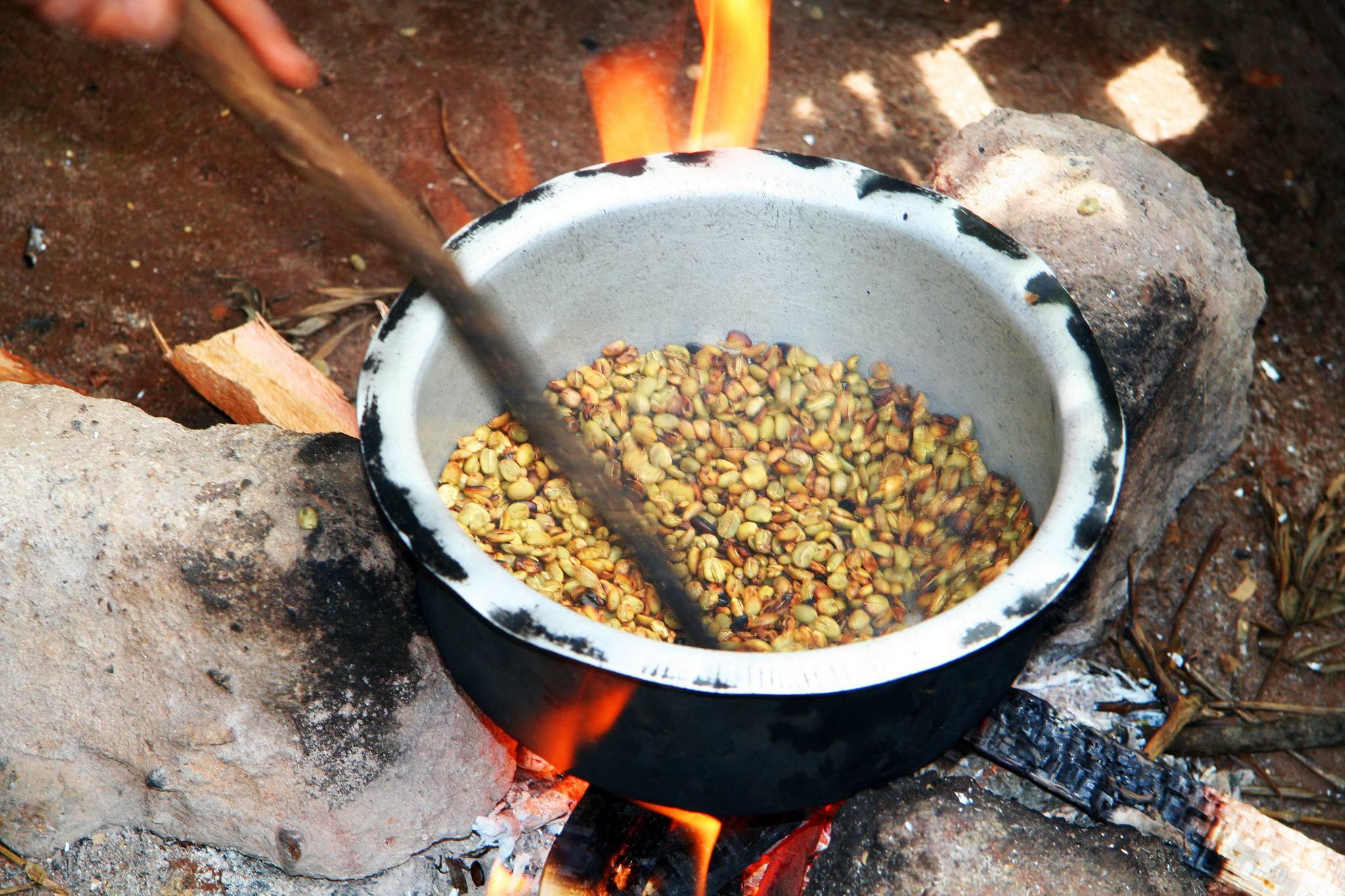
Tanzania is known for producing coffee, particularly in regions around Mount Kilimanjaro, Arusha and the southern highlands. A coffee tour provides an opportunity to understand the journey from the coffee plant to the cup. Visitors can learn how coffee is cultivated, harvested, processed, roasted and prepared. In some villages, traditional coffee experiences involve participating in the preparation process, listening to local songs and enjoying freshly prepared coffee with community members.
The experience is especially rewarding around the slopes of Mount Kilimanjaro, where coffee farming forms an important part of local agricultural life.
Best for: Coffee enthusiasts, culture lovers and travellers exploring the Kilimanjaro region.
Travel tip: Combine a coffee experience with a village walk or waterfall visit for a more complete day trip.
More Nature and Unique Adventures
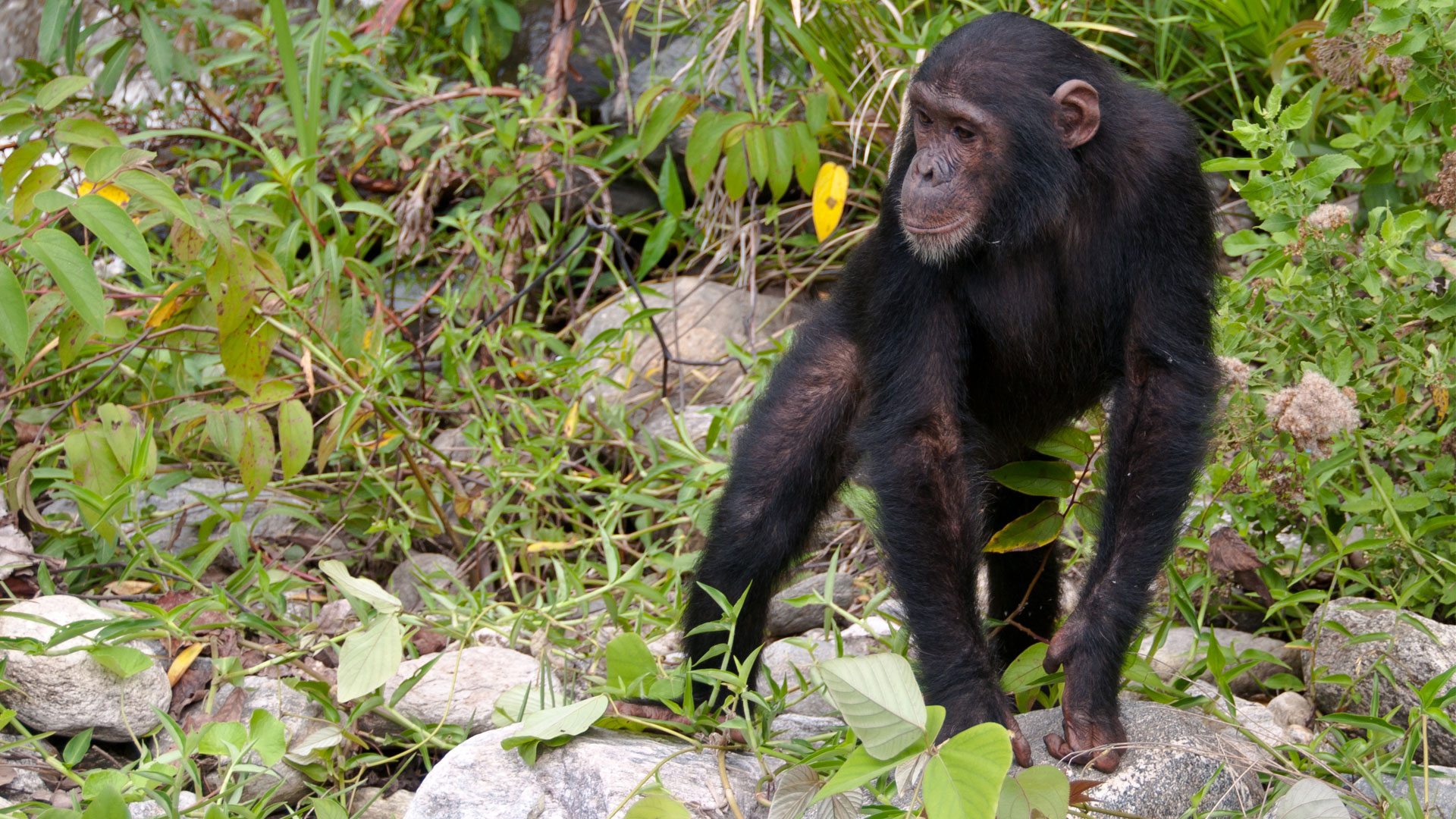
22. Explore Gombe Stream National Park and See Chimpanzees
Gombe Stream National Park, located on the shores of Lake Tanganyika in western Tanzania, is famous for its chimpanzee research and conservation history. The park became internationally recognised through the pioneering work of primatologist Jane Goodall, whose research helped transform our understanding of wild chimpanzees. Visitors can join guided forest treks to observe chimpanzees in their natural habitat. The experience is very different from a traditional safari because it involves walking through forest terrain and following the movements of the animals.
The park is also home to other primates, birds, butterflies and beautiful forest scenery overlooking Lake Tanganyika.
Best for: Wildlife enthusiasts, primate lovers, researchers and adventurous travellers.
Travel tip: Gombe requires more planning than the Northern Circuit parks. Allow time for travel to Kigoma and boat transfers, and follow all chimpanzee viewing and health regulations.
23. Visit Lake Victoria, Africa's Largest Lake
Lake Victoria is the largest lake in Africa by surface area and an important part of life in northern and western Tanzania. The lake offers a different kind of travel experience from the country's famous safari parks. Visitors can explore lakeside towns, observe fishing communities, enjoy boat excursions where available and discover the daily activities connected to the water.
The Tanzanian shores of Lake Victoria include destinations such as Mwanza, which is known for its distinctive rocky landscape and lively lakeside atmosphere. A visit can also provide an opportunity to learn about fishing, local markets and the importance of the lake to surrounding communities.
Best for: Cultural travellers, photographers, fishing enthusiasts and visitors exploring western or northern Tanzania.
Travel tip: Use qualified local boat operators and follow safety advice, particularly when weather conditions are changing.
24. Explore Arusha National Park
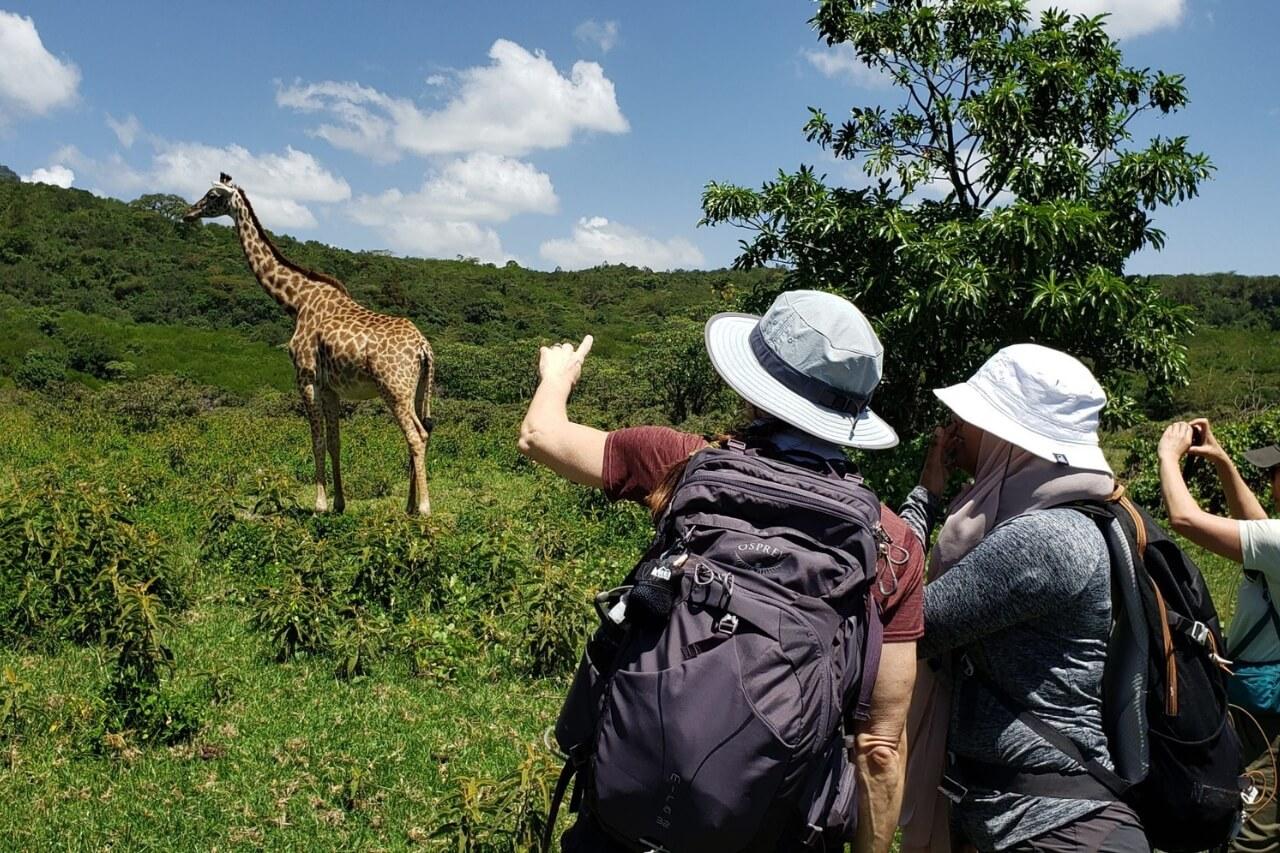
Arusha National Park is one of the most accessible national parks in northern Tanzania and a wonderful destination for a day trip from Arusha. Although it does not have the same large concentrations of wildlife as the Serengeti, it offers a beautiful combination of landscapes and outdoor activities. The park includes forest, lakes, open grasslands and views of Mount Meru. Visitors may encounter giraffes, zebras, buffaloes, warthogs, monkeys and a variety of bird species.
Depending on park regulations and arrangements, visitors can also enjoy guided walking experiences and canoeing on designated lakes. Arusha National Park is an excellent option for travellers who have limited time but still want to experience Tanzania's natural beauty.
Best for: Day-trippers, families, birdwatchers and travellers staying in Arusha.
Travel tip: Consider a guided walking safari if you want to experience the park beyond a traditional game drive.
25. Take a Boat Safari or Canoe Adventure
A boat safari offers a refreshing alternative to the usual safari vehicle experience. Instead of exploring wildlife from the road, you observe nature from the water. In suitable destinations, boat excursions can provide opportunities to see hippos, crocodiles, waterbirds and animals coming to the riverbanks to drink.
Nyerere National Park is particularly well known for boat safari experiences along the Rufiji River. Canoeing is also available in selected areas where conditions and local regulations permit it. Being on the water gives you a different perspective of the landscape and allows you to appreciate the importance of rivers, lakes and wetlands to Tanzania's wildlife.
Best for: Nature lovers, photographers and travellers looking for a different kind of safari activity.
Travel tip: Choose an authorised operator, wear the recommended safety equipment and follow your guide's instructions throughout the trip.
When Is the Best Time to Visit Tanzania?
Tanzania is a year-round destination, but the best time to visit depends on the experiences you want to enjoy.
June to October: The Dry Season
The dry season is one of the most popular periods for wildlife safaris in northern Tanzania. Vegetation is generally thinner, and animals often gather around water sources, making wildlife easier to spot.
This is also an important period for visitors hoping to see parts of the Great Migration in the western and northern Serengeti, depending on rainfall and herd movements. It is a good season for combining Serengeti, Ngorongoro, Tarangire and Zanzibar.
November to December: The Short Rains
The short rains usually bring fresh green landscapes to many parts of Tanzania. Rainfall can be intermittent, and safari conditions can still be very rewarding. This period can be attractive to travellers who enjoy greener scenery and want to explore the parks outside the busiest dry-season months.
January to March: Calving Season in the Southern Serengeti
The southern Serengeti and Ndutu region can become particularly exciting during the wildebeest calving season. Large numbers of wildebeest gather on the plains to give birth, attracting predators such as lions, cheetahs and hyenas. This is an excellent period for wildlife photography and observing predator-prey interactions.
March to May: The Long Rains
The long rains generally bring heavier rainfall to many parts of the country. Some roads can become challenging, and travel plans may need more flexibility.
However, this period can offer beautiful green scenery, fewer visitors in some areas and opportunities for birdwatching. For Mount Kilimanjaro, weather conditions should be considered carefully when selecting a climbing date. Zanzibar also has seasonal rainfall, so beach travellers should check conditions before booking.
How to Combine the Best Things to Do in Tanzania
One of Tanzania's greatest advantages is that several unforgettable experiences can be combined into one holiday.
You do not have to choose between a wildlife safari, a mountain adventure and a beach escape. With good planning, you can enjoy more than one side of the country.
Here are three popular ways to plan your trip.
Option 1: Tanzania Safari and Zanzibar Holiday
A safari followed by a Zanzibar beach holiday is one of the most popular ways to experience Tanzania. You could spend several days exploring Tarangire, Serengeti and Ngorongoro before flying to Zanzibar for a few relaxing days by the Indian Ocean.
This combination gives you the excitement of African wildlife and the relaxation of a tropical island.
Option 2: Mount Kilimanjaro Climb and Wildlife Safari
For travellers who enjoy adventure, combining a Kilimanjaro climb with a Tanzania safari creates an extraordinary holiday. After reaching the summit, you can spend several days exploring the Northern Circuit and enjoying game drives in some of Africa's most famous wildlife destinations. Allow enough recovery time after the climb before beginning a demanding safari itinerary.
Option 3: Northern Tanzania Safari, Culture and Zanzibar
If you want a holiday that includes wildlife, culture and relaxation, consider combining a Northern Circuit safari with local cultural experiences and a Zanzibar beach stay. You could explore Tarangire, Ngorongoro and Serengeti, visit a Maasai community or enjoy a Chagga coffee and waterfall experience near Kilimanjaro, then continue to Zanzibar. This is an excellent way to experience different parts of Tanzania in one journey.
Why Plan Your Tanzania Holiday with a Local Tour Operator?
Planning a trip to Tanzania can be exciting, but choosing the right destinations, accommodation, travel dates and activities requires local knowledge. Distances between attractions can be considerable, wildlife movements change with the seasons, and different experiences require different arrangements. Working with a local tour operator can help you organise a journey that matches your interests, available time and budget.
At Lindo Travel & Tours, we help travellers discover Tanzania through carefully planned safaris, Kilimanjaro climbing adventures, Zanzibar holidays and cultural experiences. Our knowledge of Tanzania's destinations allows us to help you choose suitable itineraries, understand travel logistics and make the most of your time in the country.
Whether you dream of witnessing the Great Migration, reaching the summit of Mount Kilimanjaro, exploring the Ngorongoro Crater or relaxing on Zanzibar's beaches, we can help you plan a memorable journey.
Start Planning Your Tanzania Adventure
With so many incredible experiences available, deciding what to do in Tanzania can be difficult. The good news is that you do not have to experience everything in one visit. You might begin with a classic wildlife safari, return for a Kilimanjaro climbing adventure, or spend your next holiday exploring Zanzibar and the country's beautiful coastal destinations.
The most important thing is to choose experiences that match your interests, travel dates and budget.
Ready to discover Tanzania? Contact Lindo Travel & Tours and let us help you create a personalised Tanzania holiday. From unforgettable wildlife safaris to mountain climbing and tropical beach escapes, your African adventure starts here.















 CHAT ON WHATSAPP