



Discover the Experience of Climbing Mount Kilimanjaro
Standing at 5,895 metres above sea level, Mount Kilimanjaro is Africa's highest mountain and one of the world's most remarkable trekking destinations. Located in northern Tanzania, this iconic mountain attracts adventurers from across the globe who dream of reaching Uhuru Peak, its highest point.
A Kilimanjaro climb is much more than a journey to the summit. Along the way, you travel through changing landscapes, from tropical rainforest and open moorland to dramatic alpine desert and the icy summit zone. Every stage offers a different atmosphere and a new perspective of the mountain.
Unlike many of the world's highest mountains, Kilimanjaro can be climbed without technical mountaineering skills. However, reaching the summit is still a demanding high-altitude trek that requires preparation, patience and professional mountain support.
The goal is not simply to climb high, but to acclimatize well and enjoy the journey. Choosing a suitable route, allowing enough days on the mountain and following your guide's advice all contribute to a safer and more rewarding experience.
Mount Kilimanjaro at a Glance
Before planning your climb, here are a few important facts about the mountain.
Why Climb Mount Kilimanjaro?
Kilimanjaro offers a rare combination of natural beauty, physical challenge and personal achievement. The mountain's changing ecological zones make the trek especially memorable. You begin in a lush forest environment and gradually enter landscapes that become more open, rugged and alpine as you gain altitude.
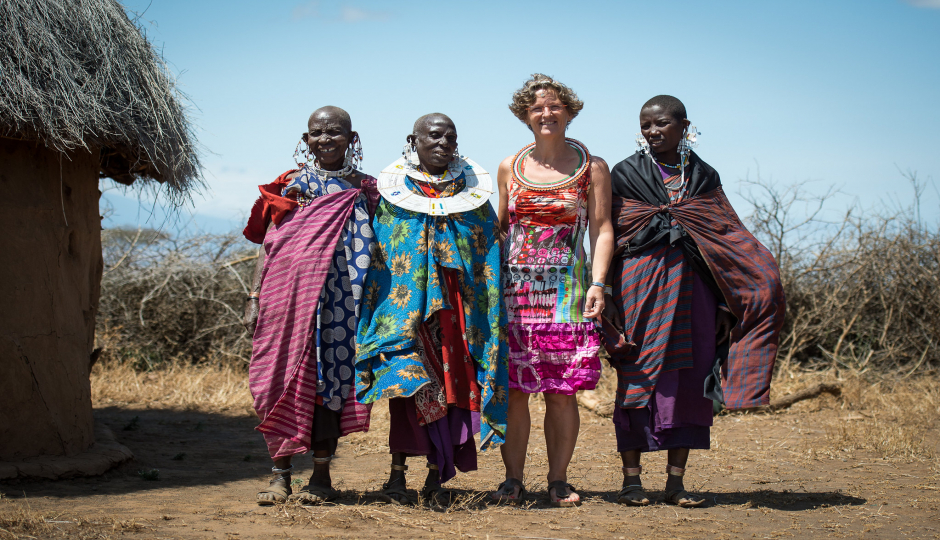
Reaching Uhuru Peak is a special achievement, but the experience is also about the people who make the journey possible. Local guides, cooks and porters play an essential role in supporting climbers throughout the expedition. Their knowledge, teamwork and hospitality are part of what makes climbing Kilimanjaro so meaningful.
Understanding Kilimanjaro's Five Climate Zones
One of the most fascinating features of Kilimanjaro is the dramatic change in vegetation and climate as you climb. The mountain is commonly divided into five ecological zones.
- Cultivation Zone: The lower slopes are home to farms, villages and communities living around the mountain.
- Rainforest Zone: Dense forest, rich vegetation and birdlife create a beautiful beginning to many climbing routes.
- Heath and Moorland Zone: Open landscapes, giant groundsels and lobelias characterize this fascinating section.
- Alpine Desert Zone: The vegetation becomes sparse, the air thinner and the landscape increasingly rugged.
- Arctic Summit Zone: Near the summit, freezing temperatures, ice and glaciers create a dramatic high-altitude environment.
Choosing Your Kilimanjaro Climbing Route
Choosing the right route is one of the most important decisions when planning your expedition. Each route has its own character, scenery, duration and acclimatization profile. The best option depends on your available time, preferences and overall preparation.
Lemosho Route
A scenic western approach with beautiful landscapes and longer itinerary options for gradual acclimatization.
Explore Lemosho →Machame Route
Known for its varied scenery, challenging trails and popular climb itineraries.
Explore Machame →Marangu Route
The only main route offering mountain hut accommodation instead of camping.
Explore Marangu →Rongai Route
Approaching from the northern side, this route offers a different perspective of the mountain.
Explore Rongai →Northern Circuit
A longer and quieter journey around the northern slopes, with more time on the mountain.
Explore Northern Circuit →Umbwe Route
A steep and demanding approach suited to experienced trekkers seeking a challenging climb.
Explore Umbwe →Compare the different Kilimanjaro climbing routes to understand their differences before making your choice.
When Is the Best Time to Climb Kilimanjaro?
Kilimanjaro can be climbed throughout the year, but weather conditions vary by season. The commonly preferred climbing periods are January to early March and June to October, when conditions are generally drier.
January to March often brings cooler conditions and the possibility of snow around the summit. June to October is generally a busier period, with many international visitors planning their climbs during this season.
For a more detailed seasonal breakdown, read our guide to the best time to climb Kilimanjaro.
Preparing for Your Kilimanjaro Climb
Although technical climbing experience is not required, preparation makes a significant difference. Climbers should build their endurance through regular walking, hiking, cardio activities and strength training before travelling to Tanzania.
It is also important to prepare for several consecutive days of trekking, changing weather conditions and sleeping at high altitude. Proper footwear, layered clothing, a suitable sleeping bag and a comfortable daypack are among the essentials.
Read our Kilimanjaro training guide and Kilimanjaro equipment checklist to prepare for your adventure.
Altitude, Acclimatization and Mountain Safety
Altitude is one of the main challenges of climbing Kilimanjaro. As elevation increases, the available oxygen decreases, and climbers need time to adjust to the changing conditions.
A gradual ascent, a suitable itinerary and regular health monitoring are important parts of a responsible expedition. Your mountain guide should monitor your condition and respond appropriately if symptoms of altitude sickness develop.
Remember the mountain principle of pole pole, meaning slowly, slowly in Swahili. A steady pace and listening to your guide are important throughout the climb.
Why Climb with an Experienced Local Team?
A professional local mountain team helps manage the practical details of your expedition, from route logistics and meals to campsite arrangements and daily health checks. Experienced guides also share valuable knowledge about the mountain, its environment and local culture.
At Lindo Travel & Tours, we organize guided Kilimanjaro climbs with local mountain crews and carefully planned itineraries. Our aim is to help you experience the mountain with professional support, personal attention and a strong appreciation for the people and environment that make each expedition possible.
Learn more about our guided Kilimanjaro climbs and explore the available Kilimanjaro climbing packages.
Ready to Take on Africa's Highest Mountain?
Whether you are planning a private expedition or hoping to join other climbers, our team can help you choose the right route and plan your Kilimanjaro adventure.
Explore Kilimanjaro Packages → CHAT ON WHATSAPP